Your grandmother was right. What you eat shows up in your hair.
You’ve probably tried expensive treatments, specialized shampoos, and countless products promising thicker, healthier hair. But if your diet isn’t supporting hair growth from within, you’re fighting an uphill battle.
Hair follicles are among the most metabolically active cells in your body. They need specific nutrients to produce strong, healthy strands. When those nutrients are missing, your hair pays the price.
Let’s examine five foods for hair growth that science has proven actually work. These aren’t trendy superfoods with questionable benefits. They’re everyday ingredients backed by research that can transform your hair from the inside out.
1. Salmon: The Omega-3 Powerhouse
Salmon tops the list of foods for hair growth for good reason.
It’s packed with omega-3 fatty acids that your body can’t produce on its own. These essential fats reduce inflammation around hair follicles and support the oils that keep your scalp healthy.
A 2018 study in the Journal of Cosmetic Dermatology found that women who supplemented with omega-3 and omega-6 fatty acids experienced significantly increased hair density and reduced hair loss after six months.
But here’s what makes salmon particularly valuable. It also contains high-quality protein and vitamin D, both critical for hair structure and growth. Your hair is made primarily of protein (keratin), so without adequate dietary protein, growth slows and existing hair becomes weak.
For people living in sunny regions like Dubai and Abu Dhabi, you might think vitamin D isn’t an issue. But indoor lifestyles and covered skin mean deficiency is surprisingly common. And vitamin D deficiency has been directly linked to hair loss conditions like alopecia areata.
2. Spinach: Iron and Folate for Growth
Spinach isn’t just Popeye’s secret weapon. It’s one of the most effective foods for hair growth you can eat regularly.
The magic comes from its iron content. Iron carries oxygen to your hair follicles, and without sufficient oxygen, follicles can’t function optimally. Iron deficiency is one of the most common nutritional causes of hair loss, particularly in women.
Research published in the Journal of Korean Medical Science found that women with hair loss had significantly lower ferritin (stored iron) levels than women without hair loss. Correcting the deficiency led to measurable improvements in hair regrowth.
But spinach offers more than iron. It’s loaded with folate, vitamin A, and vitamin C. Folate supports healthy cell division in rapidly growing tissues like hair follicles. Vitamin A helps your scalp produce sebum, the natural oil that protects hair. Vitamin C aids iron absorption and supports collagen production for hair structure.
One cup of cooked spinach delivers nearly 40% of your daily iron needs. That’s substantial nutritional support from a single ingredient.
3. Eggs: Complete Protein and Biotin
Eggs are nature’s perfect package for hair health.
They contain complete protein with all essential amino acids your body needs to build keratin. But the real standout nutrient is biotin, a B vitamin critical for hair growth.
Biotin deficiency, while uncommon, causes dramatic hair loss and brittle hair. Even mild insufficiency can impact growth rates. Studies show biotin supplementation improves hair growth in people with underlying deficiency.
Here’s the interesting part. Egg yolks are one of the richest dietary sources of biotin. They also contain vitamin D, selenium, and additional B vitamins that support follicle health.
Traditional Middle Eastern breakfasts often feature eggs prominently. That’s not just cultural preference. It’s nutritional wisdom passed down through generations.
For those concerned about cholesterol, current research shows dietary cholesterol has minimal impact on blood cholesterol for most people. The hair benefits far outweigh outdated concerns.
 Traditional shakshuka provides biotin-rich eggs in a culturally authentic breakfast
4. Sweet Potatoes: Beta-Carotene for Scalp Health
Sweet potatoes deserve more attention as foods for hair growth.
They’re exceptionally high in beta-carotene, which your body converts to vitamin A. A medium sweet potato provides more than 400% of your daily vitamin A requirement.
Vitamin A is essential for sebum production. Sebum is the oily substance your scalp produces to moisturize and protect hair. Without adequate vitamin A, your scalp becomes dry and hair becomes brittle.
But there’s a balance. Too much vitamin A can actually trigger hair loss. That’s why getting it from food sources like sweet potatoes is safer than supplementation. Your body converts only what it needs from beta-carotene.
Sweet potatoes also contain vitamin C, which boosts collagen production for hair strength. They’re naturally sweet, satisfying, and versatile in both traditional and modern cuisines.
5. Greek Yogurt: Protein and Probiotics
Greek yogurt might surprise you as one of the most effective foods for hair growth.
It delivers a double benefit. First, it’s protein-dense. A single serving provides 15-20 grams of complete protein, giving your body the building blocks it needs for hair production.
Second, it contains probiotics that support gut health. Emerging research suggests the gut microbiome plays a role in nutrient absorption and inflammation levels throughout the body, including the scalp.
Greek yogurt also provides vitamin B5 (pantothenic acid), which supports blood flow to the scalp and may help prevent hair thinning and loss. You’ll find pantothenic acid listed in many hair care products because of its documented benefits.
The calcium content supports hair structure, while zinc helps maintain the health of oil glands around follicles.
For those following halal dietary guidelines, ensuring your Greek yogurt is certified halal is straightforward. Most major brands offer clearly labeled options.
Combining Nutrition with External Care
Here’s what matters. These foods for hair growth work best as part of a comprehensive approach.
Nutrition provides the internal foundation. Your follicles get the nutrients they need to produce strong, healthy hair. But external factors like water quality still impact hair health.
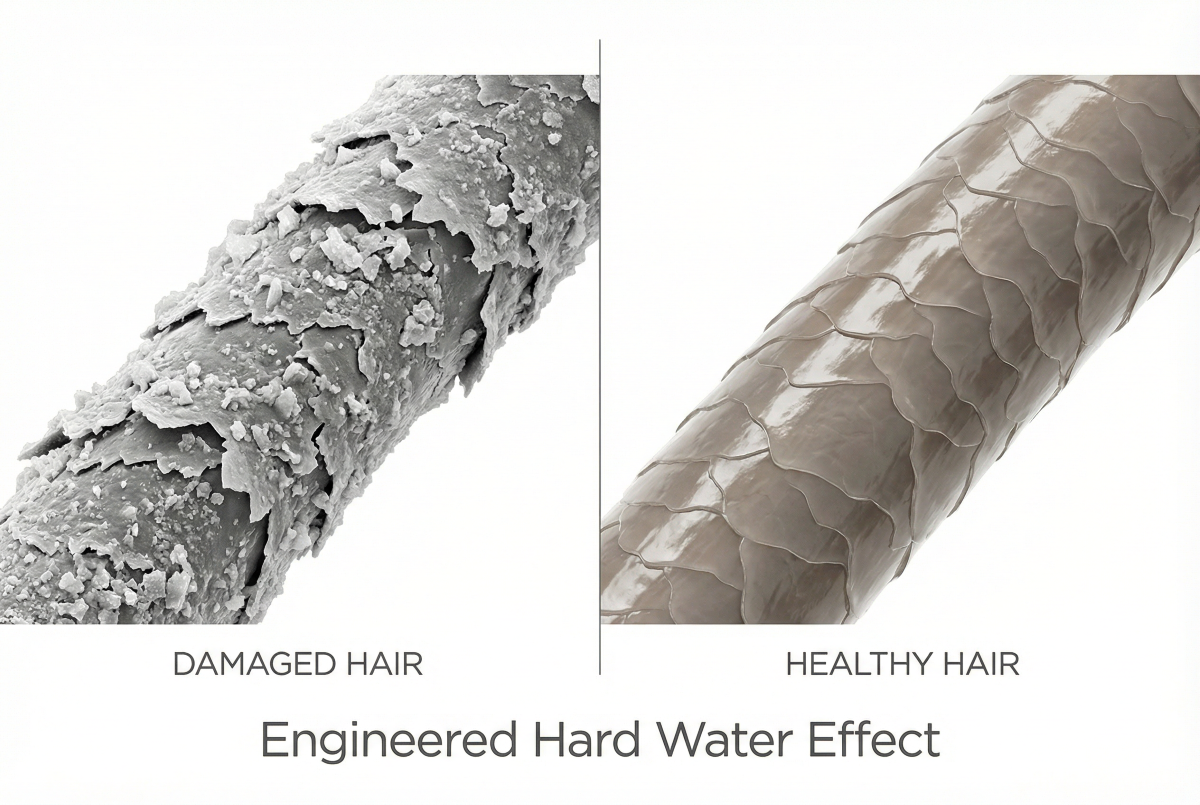
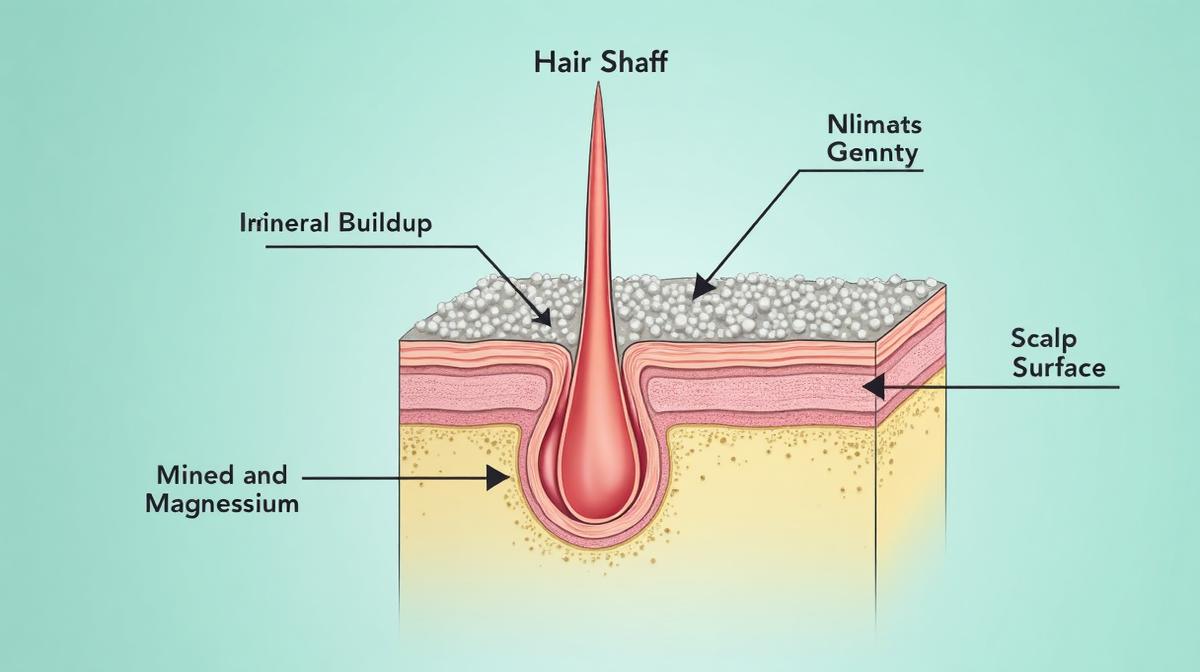
In regions with hard water, mineral buildup can damage hair regardless of diet. That’s where specialized products formulated with chelating agents, like Regrowth+ Hair Protection & Growth Booster Shampoo, complement your nutritional efforts by protecting hair from environmental stressors.
Think of it this way. You’re building healthy hair from two directions. Nutrition strengthens from within. Proper hair care protects from without.
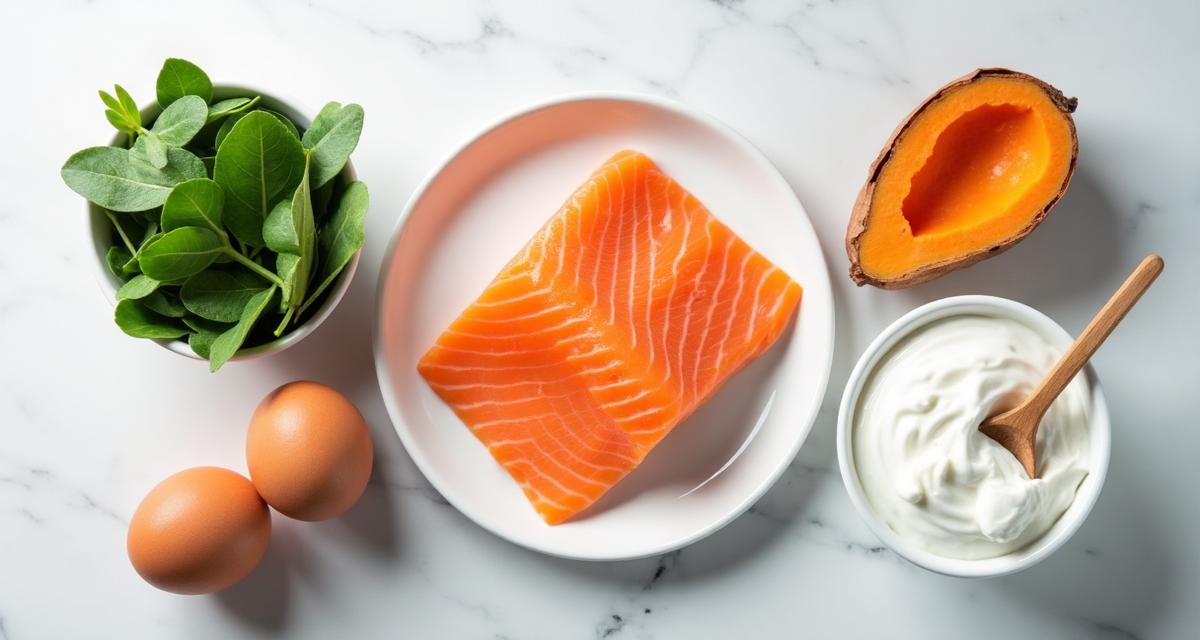
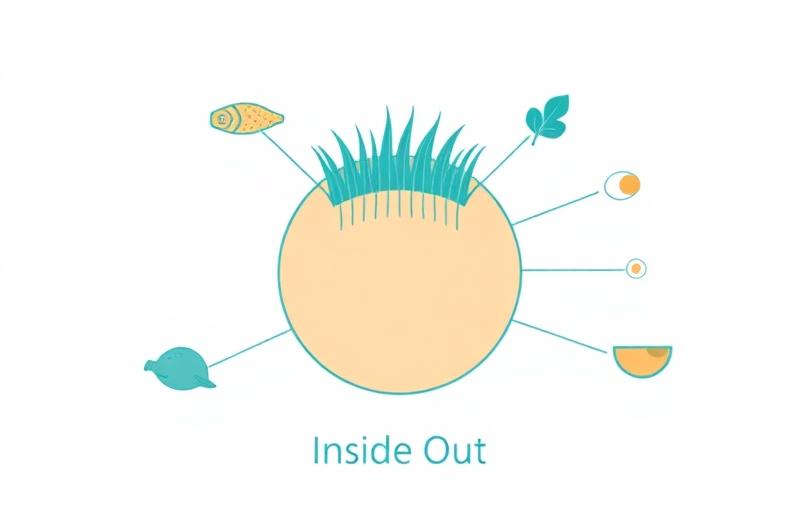 Foods for hair growth nourish follicles from the inside out
Making It Practical
You don’t need to overhaul your entire diet tomorrow.
Start by incorporating one or two of these foods for hair growth into your regular meals. Add salmon twice a week. Include spinach in your lunch. Have eggs for breakfast. Swap regular potatoes for sweet potatoes occasionally. Enjoy Greek yogurt as a snack.
Small, consistent changes accumulate into significant results over time.
Your hair follicles have a growth cycle that lasts months. Nutritional improvements won’t show up overnight. But give it 12-16 weeks of consistent dietary support, and you’ll notice the difference.
Stronger strands. Less breakage. Improved texture. Better growth.
Your grandmother knew what she was talking about. What you eat matters.