This article contains affiliate links. See our affiliate disclosure for details.
You moved to the Gulf six months ago. Your hair was fine back home. Now? It’s falling out in the shower, breaking when you brush it, and feels like straw no matter what conditioner you use.
Here’s what nobody tells you upfront: it’s probably not stress, not your diet, and not a sudden vitamin deficiency. It’s the water. Specifically, the mineral content in Gulf region water that’s coating your hair shaft and slowly destroying it from the outside in.
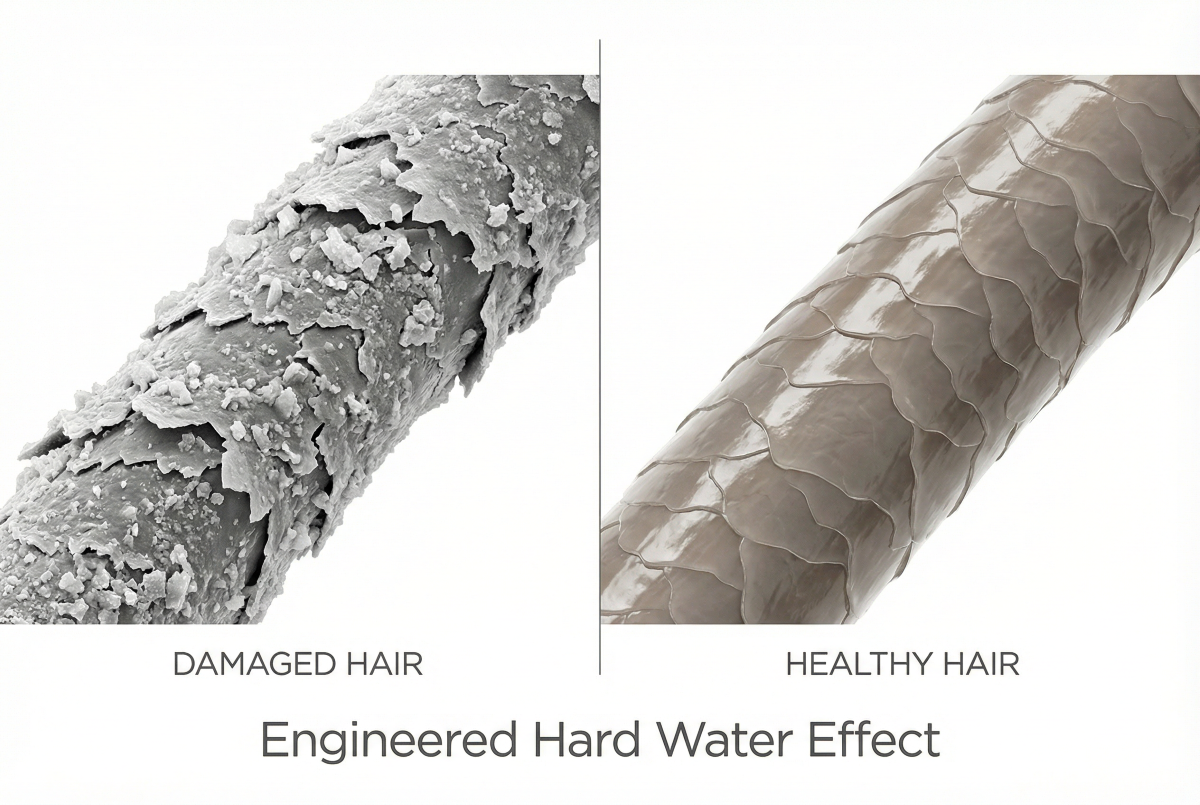
The science is clear. Research published in the International Journal of Trichology shows that hard water minerals (calcium and magnesium) create a film on hair that prevents moisture absorption, weakens the protein structure, and increases breakage by up to 30%. This isn’t a cosmetic issue. It’s structural damage.
But here’s the good news: hard water hair fall is reversible. You’re not dealing with genetic hair loss or hormonal issues. You’re dealing with an environmental factor, and environmental factors can be managed. This guide covers the solutions that actually work, backed by dermatological research and real-world results from thousands of Gulf residents who’ve reversed this exact problem.
Why Hard Water Causes Hair Fall (The Science)
Let’s start with what’s actually happening. Gulf water contains 200-400 parts per million (ppm) of dissolved minerals, primarily calcium carbonate and magnesium sulfate. The US Geological Survey classifies anything above 180 ppm as “very hard water.” Most Gulf cities exceed this significantly.
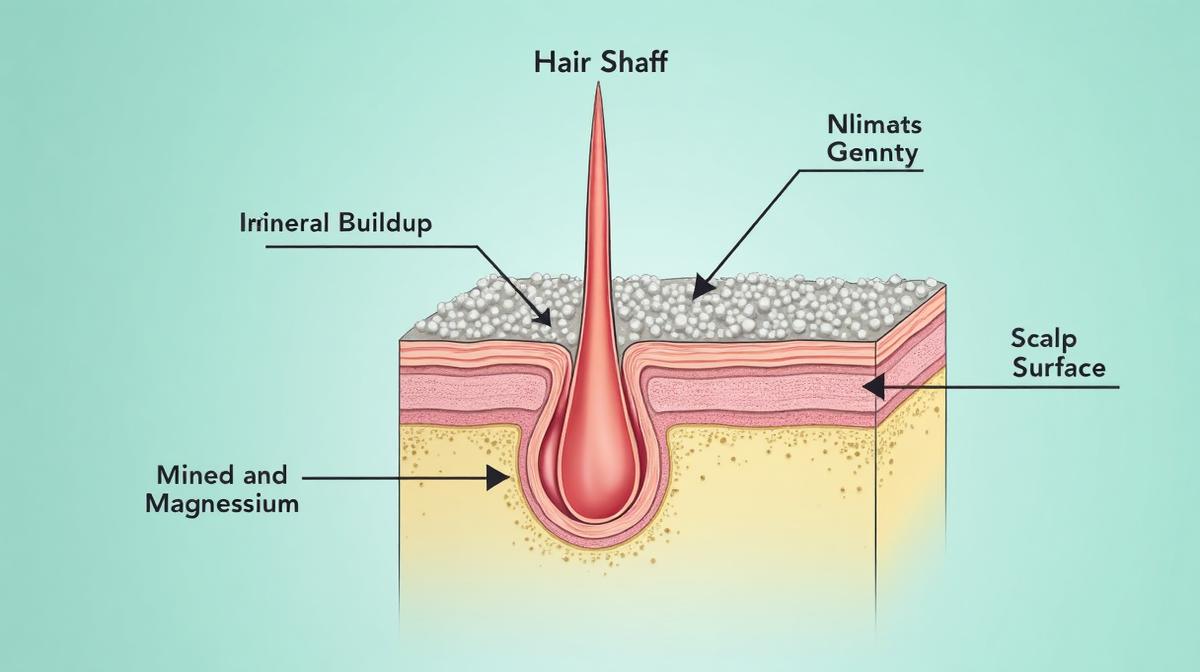
When you wash your hair, these minerals don’t rinse away. They bond to the hair’s protein structure (keratin) and form an insoluble coating. Think of it like lime scale on your shower head, but microscopic and wrapped around every strand.
This mineral film does three things that directly cause hair fall. First, it prevents moisture from penetrating the hair shaft. Your hair becomes dehydrated from the inside, even if you’re using moisturizing products. Second, it makes the hair shaft rough and prone to tangling, which means more mechanical breakage during brushing and styling. Third, it increases the hair’s negative charge, causing strands to repel each other and create friction damage.
A 2016 study in the Journal of Cosmetic Science found that hair washed in hard water showed significantly higher surface roughness and lower tensile strength compared to hair washed in soft water. The researchers concluded that mineral deposits directly compromise the hair’s structural integrity.
But here’s the critical part most people miss: you’re not just dealing with today’s mineral buildup. You’re dealing with months of accumulated deposits that have created a progressive weakening effect. That’s why the hair fall often gets worse over time, even if your routine hasn’t changed.
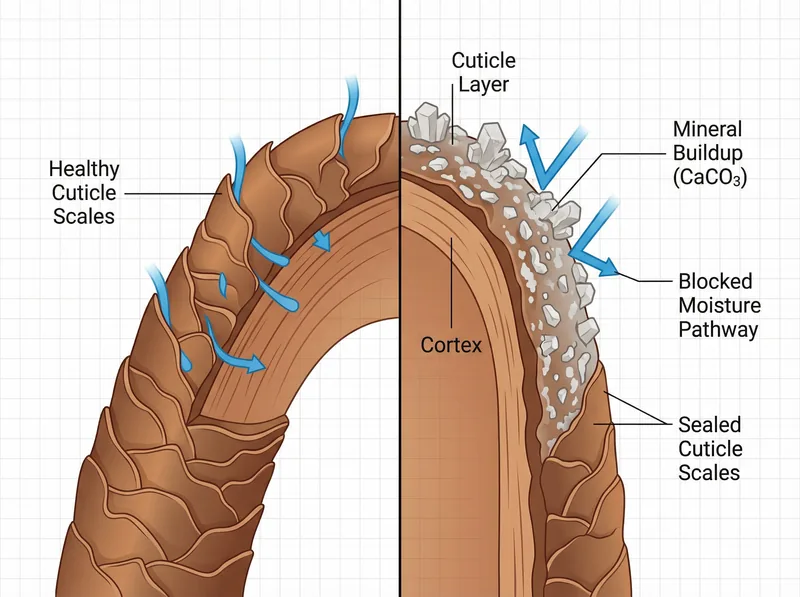 Hard water minerals create an impermeable coating that prevents moisture from reaching the hair cortex, leading to brittleness and breakage.
The Chelation Solution (What Actually Removes Minerals)
Standard shampoos can’t remove hard water buildup. They’re designed to remove oil and dirt, not bonded minerals. You need a chelating agent, which is a molecule that binds to metal ions and lifts them away from surfaces.
The most effective chelating ingredients for hair are EDTA (ethylenediaminetetraacetic acid), citric acid, and gluconic acid. These compounds work by forming stable complexes with calcium and magnesium ions, essentially wrapping around the mineral particles and making them water-soluble again.
A chelating shampoo like Regrowth+ uses this mechanism to strip away accumulated mineral deposits without damaging the hair’s protein structure. You’re not just cleaning the surface. You’re reversing months of buildup in a single wash cycle.
The protocol that works: use a chelating treatment once or twice per week, depending on your water’s mineral content and how much styling product you use. On non-chelating days, use a gentle, sulfate-free shampoo that won’t add to the buildup problem. This alternating approach prevents mineral re-accumulation while maintaining your hair’s natural moisture balance.
You’ll see results fast. Most people notice less shedding within the first week and significant improvement in hair texture within two weeks. That’s because you’re addressing the root cause, not just masking symptoms with conditioning treatments.
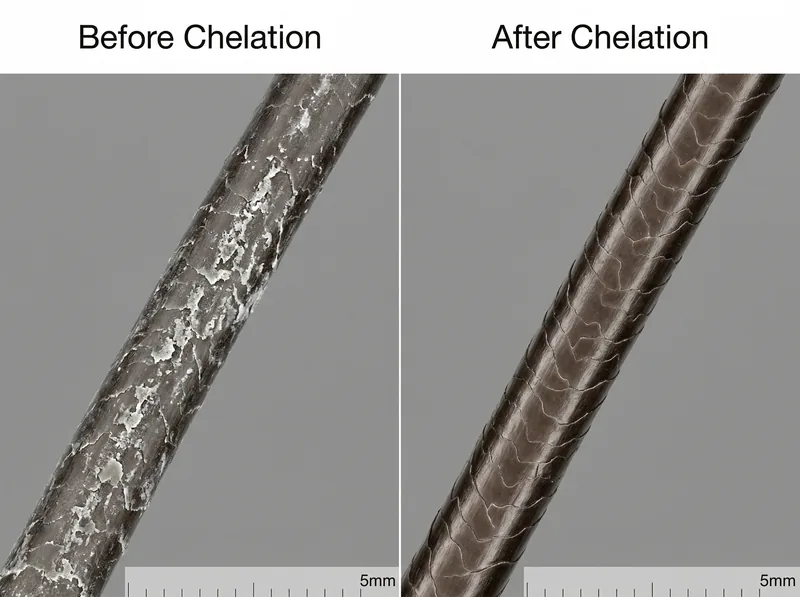 Chelation works by binding to mineral deposits and lifting them away from the hair shaft, restoring the cuticle’s natural structure.
The Complete Hard Water Hair Care System
Chelation alone isn’t enough for long-term protection. You need a full system that prevents mineral bonding, removes existing buildup, and repairs damage simultaneously. Here’s the evidence-based approach that works for Gulf residents:
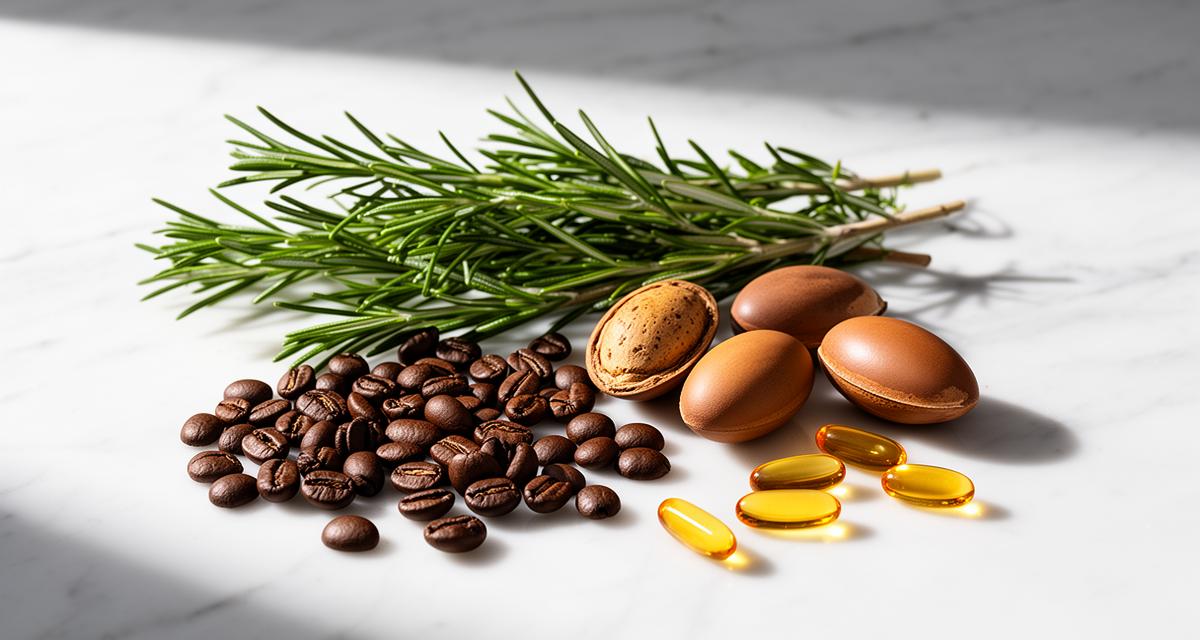
Start with pre-shampoo protection. Apply a thin layer of coconut oil or argan oil to dry hair 30 minutes before washing. Research shows that oils create a hydrophobic barrier that reduces mineral adhesion by up to 40%. You’re essentially waterproofing your hair before exposing it to hard water.
Use lukewarm or cool water for rinsing. Hot water opens the hair cuticle, which increases mineral penetration and bonding. Cool water keeps the cuticle sealed and makes it harder for minerals to attach. This simple temperature change can reduce buildup by 25-30%.
After chelating, immediately follow with a moisturizing conditioner or hair mask. Chelation removes minerals but also strips some natural oils. You need to replace that moisture barrier quickly. Focus the conditioner on mid-lengths and ends (not the scalp), and leave it on for at least three minutes to allow proper penetration.
Between washes, use a leave-in conditioning spray with humectants like glycerin or hyaluronic acid. These ingredients pull moisture from the air into your hair shaft, counteracting the dehydrating effect of residual minerals. Spray it on damp hair after every wash and again on dry hair between wash days.
The routine looks like this: Monday and Thursday (chelate, condition, leave-in spray). Tuesday and Friday (gentle shampoo, condition, leave-in spray). Wednesday and Saturday (deep conditioning mask, no shampoo). Sunday (rest day, leave-in spray only). This gives your hair consistent protection without over-processing.
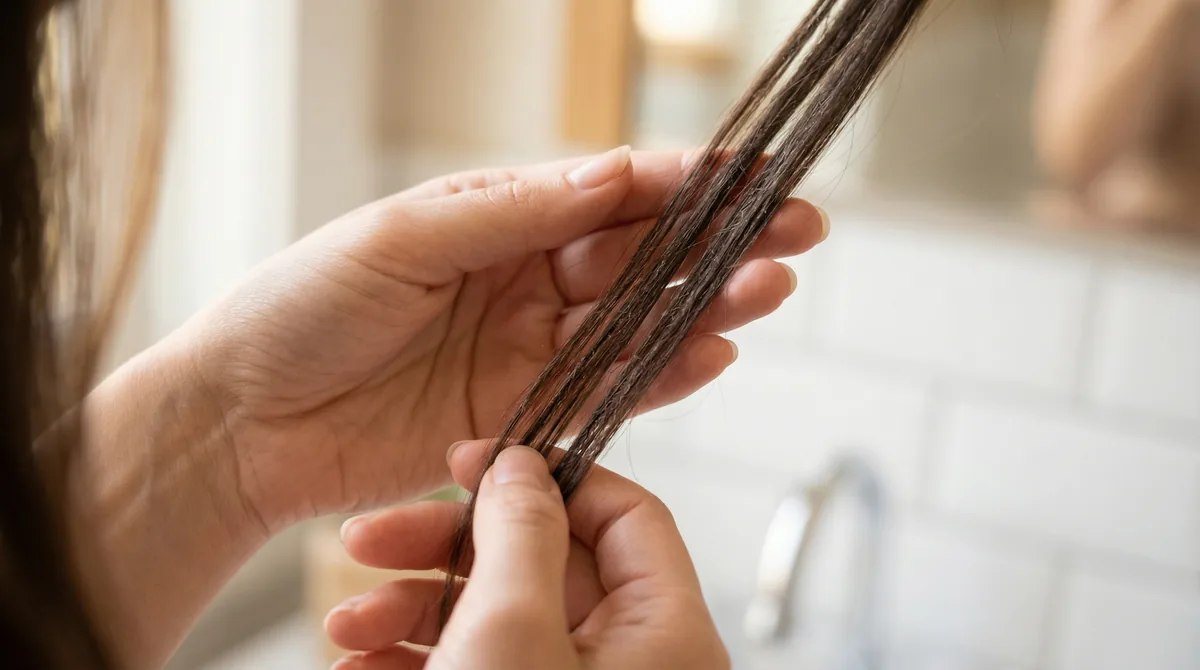
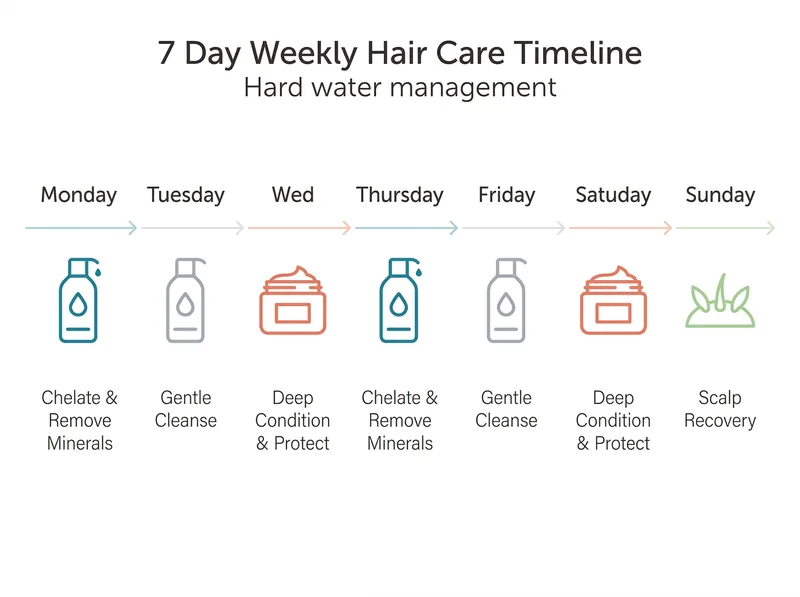 A structured routine alternating between chelating treatments and protective conditioning prevents mineral accumulation while maintaining hair health.
What Doesn’t Work (Save Your Money)
Let’s talk about the solutions that sound good but don’t deliver results. First up: shower filters. Most residential shower filters use activated carbon or KDF media, which remove chlorine and some heavy metals but don’t significantly reduce calcium and magnesium. The EPA confirms that standard filtration doesn’t soften water. You need an ion-exchange system for that, which requires professional installation and regular maintenance.
Apple cider vinegar rinses are another popular myth. Yes, the acidity can temporarily smooth the hair cuticle and add shine. But vinegar doesn’t chelate minerals. It doesn’t remove the buildup causing your hair fall. You’re treating a symptom, not the cause.
Clarifying shampoos sound like they should work, but most are just high-pH formulas that strip oil. They don’t contain chelating agents, so they can’t remove mineral deposits. You end up with clean but still mineral-coated hair that’s now also stripped of protective oils. That’s actually worse.
Biotin supplements won’t help either. The American Academy of Dermatology states clearly that biotin only helps if you have a biotin deficiency, which is rare. Hard water hair fall is a mechanical problem, not a nutritional one. You can’t supplement your way out of mineral damage.
The only solutions that work are the ones that directly address mineral buildup: chelation, protective barriers, and moisture restoration. Everything else is a distraction.
References
- Effect of Hard Water on Hair - International Journal of Trichology
- Hardness of Water - US Geological Survey
- Impact of Hard Water on Hair Physical Properties - Journal of Cosmetic Science
- Chelation Chemistry and Applications - ScienceDirect
- Water Filtration Facts - US Environmental Protection Agency