This article contains affiliate links. See our affiliate disclosure for details.
You’ve seen the bottles. Biotin shampoo for hair growth, plastered across every beauty aisle and Instagram feed. The promise is simple: wash your hair, get thicker, longer, stronger strands. But here’s what the marketing doesn’t tell you.
Biotin is a water-soluble vitamin. Your scalp has a protective barrier specifically designed to keep water-soluble compounds out. That’s not a flaw in the shampoo, that’s your skin doing exactly what it’s supposed to do. The question isn’t whether biotin is good for hair. It is. The question is whether rubbing it on your scalp for thirty seconds before rinsing it down the drain actually does anything.
Let’s be honest. Most biotin shampoos are expensive placebos with good branding. But that doesn’t mean topical hair treatments are useless. It means you need to understand what actually penetrates the scalp, what supports the follicle, and what’s just riding the biotin hype train. This review breaks down the science, calls out the marketing tricks, and explains what ingredients actually matter when you’re dealing with hair fall in the Gulf region.
The Biotin Absorption Problem Nobody Mentions
Biotin works. That part is true. It’s a B-vitamin essential for keratin production, the structural protein that makes up your hair, skin, and nails. Studies show biotin deficiency causes hair thinning and brittle nails. Supplementing orally when you’re deficient can reverse those symptoms within weeks.
But here’s the catch: biotin deficiency is rare. Unless you’re pregnant, have a genetic disorder affecting biotin metabolism, or eat raw egg whites daily (which contain avidin, a biotin-blocking protein), you’re probably getting enough biotin from food. Your gut bacteria even produce it.
The real issue? Molecular size and solubility. Biotin is a relatively large, water-soluble molecule. Your stratum corneum, the outermost layer of scalp skin, is specifically engineered to repel water-soluble compounds. That’s why you don’t absorb bathwater through your skin. It’s a feature, not a bug.
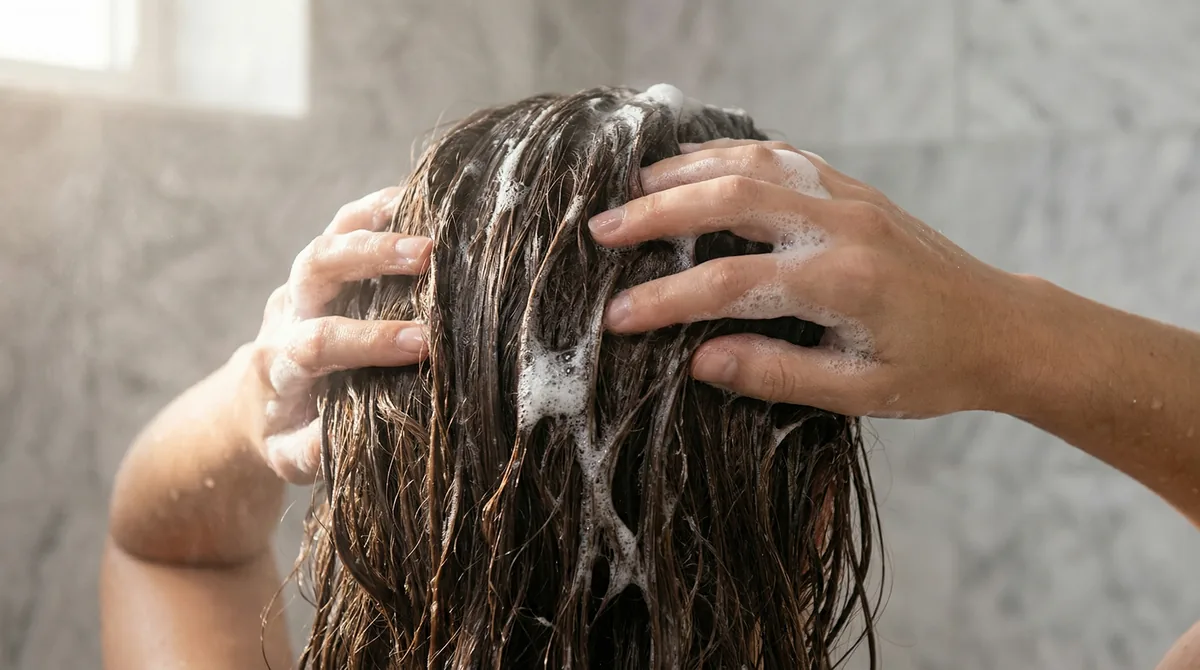
When you apply biotin shampoo, you’re asking a water-soluble vitamin to penetrate an oil-based barrier in the sixty seconds before you rinse it off. The absorption rate is negligible. Dermatology research confirms topical biotin shows no significant penetration through intact skin. The biotin in your shampoo is washing down the drain, not into your follicles.
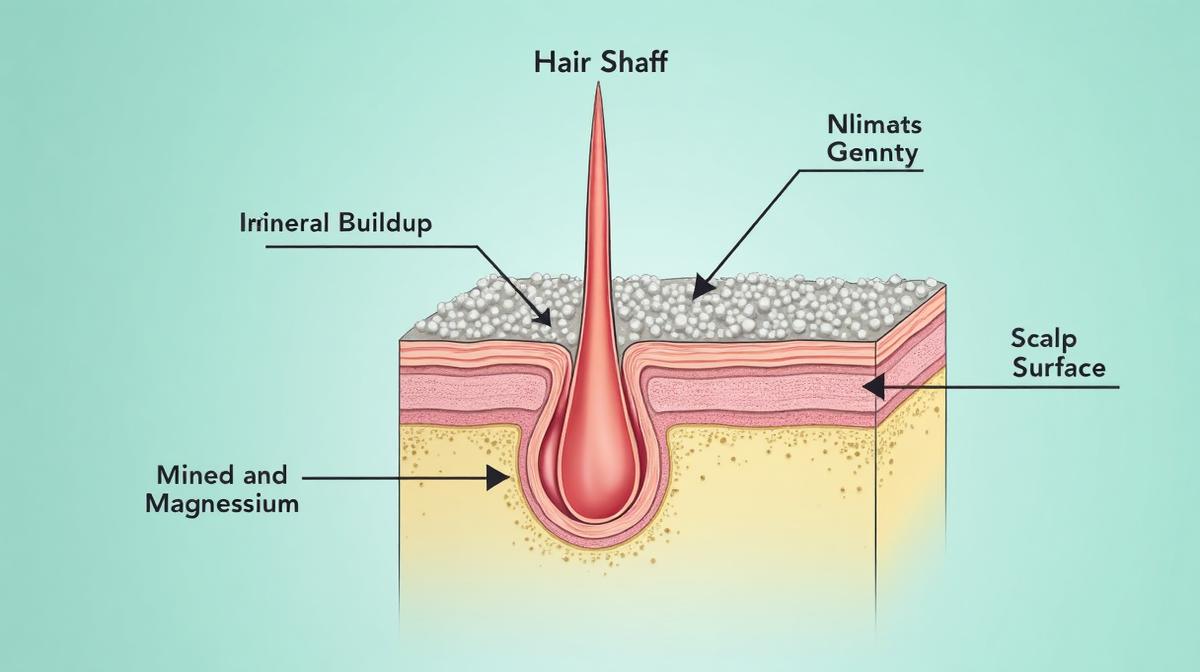
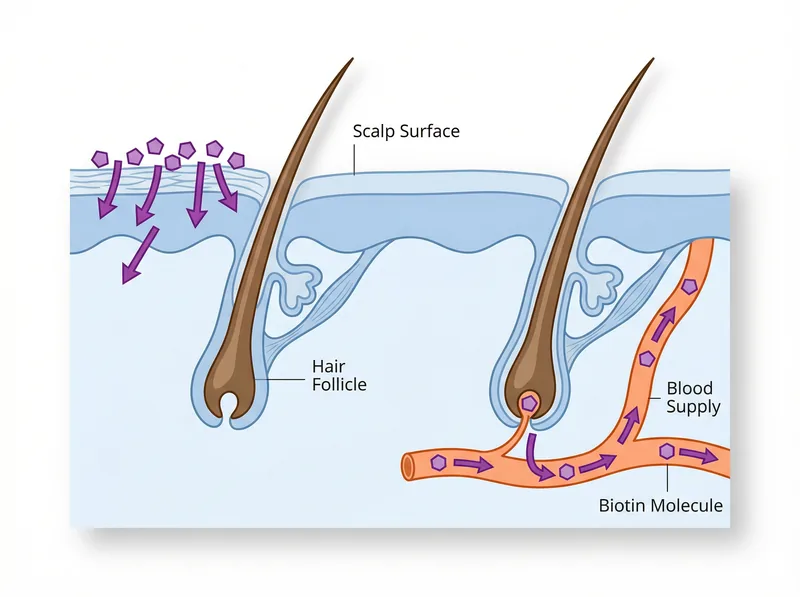 The scalp barrier challenge: Why topical biotin faces absorption limitations compared to oral supplementation
What Actually Works in Hair Growth Shampoos
Forget biotin for a moment. Let’s talk about ingredients with actual evidence for topical scalp application. These compounds either penetrate better, target specific scalp issues, or create an environment where follicles can function optimally.
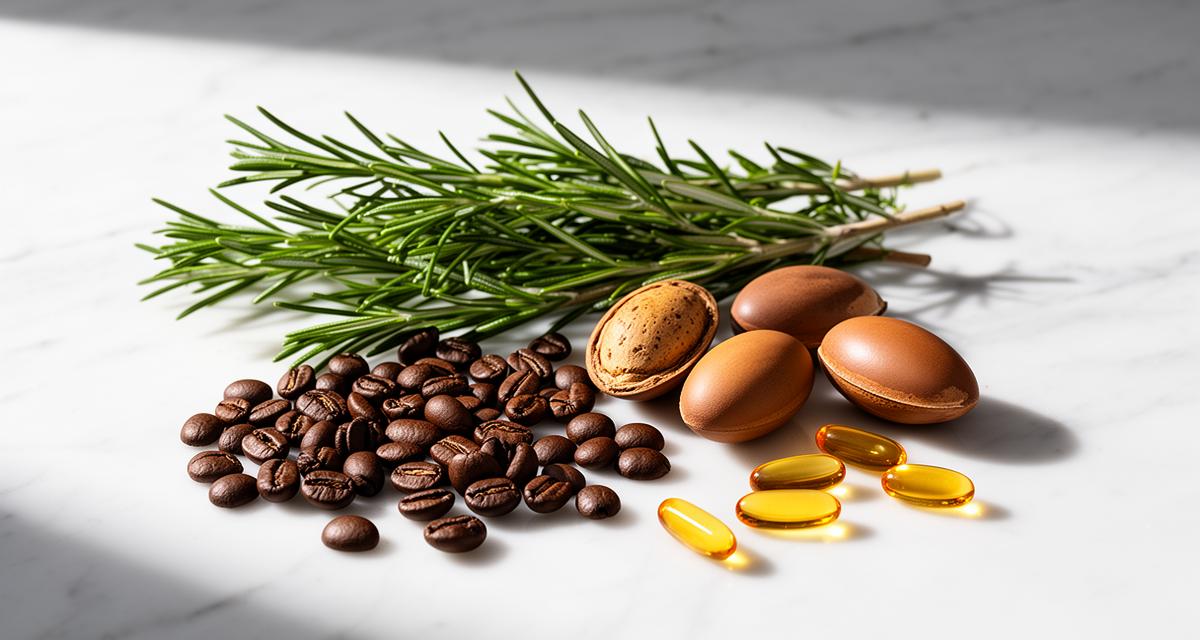
Caffeine is the most studied. Unlike biotin, caffeine is lipophilic, it dissolves in oils and can cross the skin barrier. Research shows topical caffeine stimulates hair follicles and counteracts testosterone-related follicle suppression. You need it in contact with the scalp for at least two minutes, which is why leave-in treatments work better than shampoos. But it does penetrate.
Saw palmetto extract blocks 5-alpha-reductase, the enzyme that converts testosterone to DHT, the hormone responsible for pattern hair loss. It’s not as powerful as prescription finasteride, but clinical trials show modest improvement in hair density with topical application. Again, contact time matters.
Niacinamide (vitamin B3) improves scalp circulation and has anti-inflammatory properties. Zinc pyrithione treats seborrheic dermatitis, a common scalp condition that interferes with hair growth. Salicylic acid exfoliates dead skin cells and unclogs follicles. These ingredients address the environment around the follicle, which is often more important than trying to feed the follicle through the scalp surface.
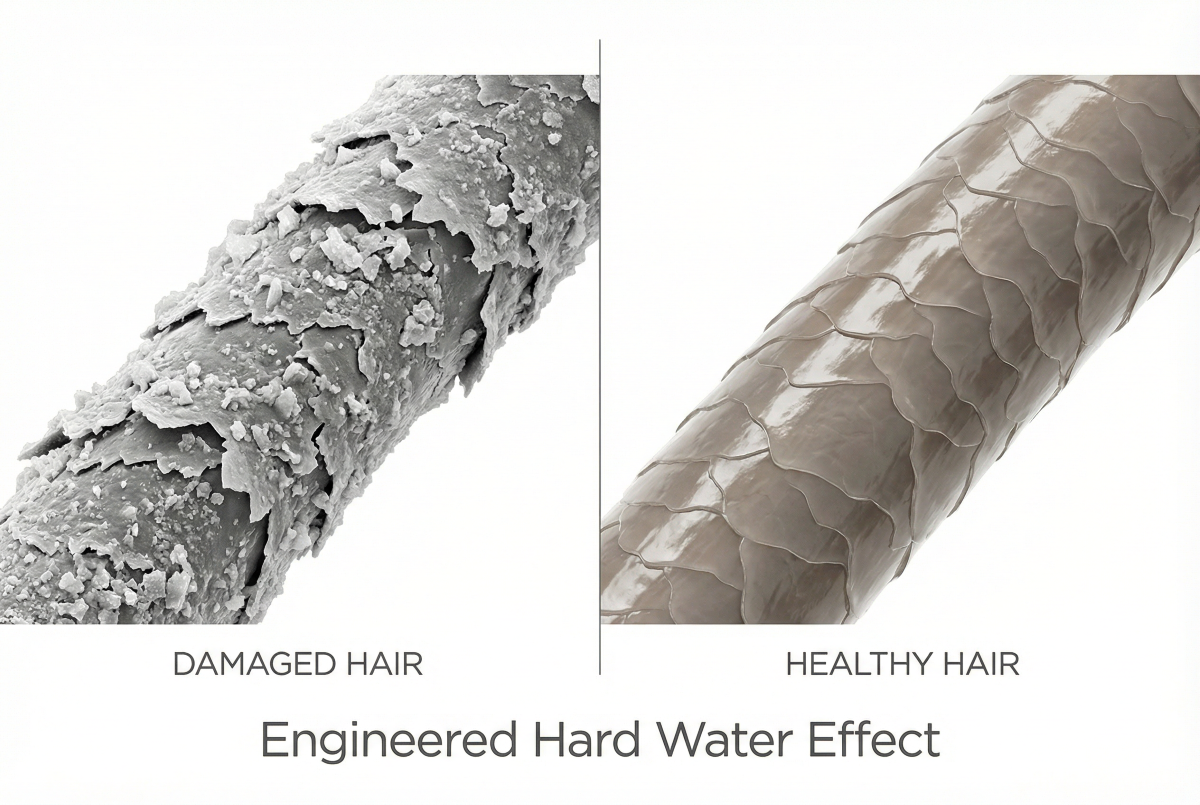
And here’s where the Gulf factor becomes critical. If you’re dealing with hard water, which most Gulf residents are, mineral buildup on the scalp creates a physical barrier that blocks even effective ingredients from reaching follicles. A chelating shampoo like Regrowth+ removes calcium and magnesium deposits, restoring scalp permeability. That’s not sexy marketing. That’s addressing the actual problem.
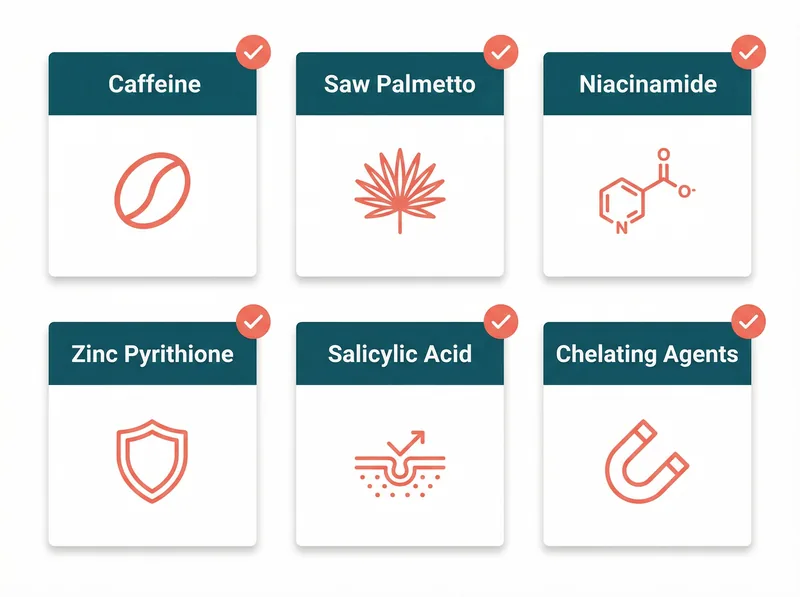 What matters more than biotin: Evidence-based ingredients that actually support scalp health and hair growth
The Marketing vs. Reality Gap
Biotin shampoo brands love to show before-and-after photos. Look closer. Most of those transformations span three to six months. That’s how long it takes for new hair to grow from the follicle to a visible length, regardless of what you put on your scalp.
The placebo effect is powerful with hair products. You start using a new shampoo, you pay more attention to your hair, you handle it more gently, you stress less about hair loss because you’re “doing something.” That reduction in stress and mechanical damage alone can improve hair retention. The shampoo gets credit for changes that would’ve happened anyway.
Then there’s the conditioning effect. Many biotin shampoos contain silicones, proteins, and conditioning agents that coat the hair shaft, making it appear thicker and smoother. Your hair looks better immediately. That’s not growth, that’s cosmetic coating. It washes out. But the marketing conflates appearance with actual follicle stimulation.
Here’s the test: if a shampoo claims to grow hair but doesn’t mention contact time, it’s not serious. Topical treatments need time on the scalp. If a product tells you to lather and rinse immediately, it’s banking on you not understanding absorption kinetics. Real topical treatments, minoxidil, prescription compounds, research-backed extracts, all specify minimum contact time. Shampoo manufacturers conveniently skip that detail.
What to Look for Instead
If you’re going to invest in a hair growth shampoo, ignore the biotin content. Look at the rest of the formula. Does it address scalp health? Does it remove buildup? Does it contain ingredients with proven follicle interaction?
For Gulf residents specifically, prioritize chelating agents. EDTA, citric acid, or gluconic acid should appear in the first half of the ingredient list. These compounds bind to hard water minerals and prevent the scalp coating that blocks other active ingredients. Without this step, even effective compounds can’t penetrate. It’s like trying to water a plant through a layer of plastic wrap.
Second, look for anti-inflammatory ingredients. Chronic scalp inflammation changes the hair growth cycle. Niacinamide, green tea extract, and zinc all reduce inflammation without the side effects of steroids. If your scalp is red, itchy, or flaky, addressing inflammation is more important than any growth stimulant.
Third, consider pH. Your scalp’s natural pH is slightly acidic, around 4.5 to 5.5. Many shampoos are alkaline, which changes the scalp barrier and makes it more vulnerable to irritation and mineral deposits. Look for products that explicitly mention pH balancing or slightly acidic formulations. This isn’t glamorous, but it’s fundamental to scalp health.
Finally, manage your expectations. No shampoo, regardless of ingredients, will reverse genetic hair loss or regrow a receding hairline. Shampoos maintain scalp health and improve the environment for existing follicles. That’s valuable. But if you have androgenetic alopecia, you need medical treatments like minoxidil or finasteride, not a better shampoo. Know the difference.
References
- Biotin and Hair Loss: A Review - PubMed
- Topical Biotin Absorption Through Human Skin - ScienceDirect
- Caffeine and Hair Growth Stimulation - PubMed
- Saw Palmetto Extract in Hair Loss Treatment - PubMed
- Hair Growth Cycle and Treatment Options - Mayo Clinic