You’ve tried everything. Biotin supplements. Expensive serums. Salon treatments promising thicker hair. Yet every morning, your brush holds more strands than it should. Your ponytail feels thinner. Your part looks wider.
Here’s what most dermatologists won’t tell you: the problem might not be your hair at all. It’s what you’re washing it with. This article contains affiliate links. See our affiliate disclosure for details.
If you live in the Gulf region, you’re fighting an invisible enemy. The water flowing through your shower contains mineral concentrations up to 400% higher than international health standards recommend. Every wash coats your hair shaft with calcium and magnesium deposits that choke the follicle, block moisture absorption, and trigger inflammation at the scalp level. Research published in the International Journal of Trichology confirms that hard water exposure significantly increases hair fall and reduces hair diameter over time.
This isn’t about genetics or hormones or stress (though those matter too). This is about environmental assault. And once you understand the real cause, the solution becomes clear.
This guide covers everything: the science of why hair falls, the Gulf-specific factors accelerating your hair loss, evidence-based treatments that work, and the environmental interventions most people miss. By the end, you’ll know exactly what’s causing your hair fall and what to do about it.
Understanding Hair Fall: What’s Normal and What’s Not
Let’s start with the baseline. Losing 50 to 100 hairs per day is physiologically normal. Your scalp contains roughly 100,000 follicles, and at any given moment, 85-90% are actively growing while 10-15% are resting. When a follicle enters the resting phase (telogen), the hair sheds to make room for new growth.
The problem starts when this cycle gets changeed. When more follicles shift into telogen phase simultaneously, you experience what dermatologists call telogen effluvium, excessive shedding that can remove 300+ hairs daily. The American Academy of Dermatology identifies this as the most common form of reactive hair loss, triggered by physiological stress, nutritional deficiency, or environmental factors.
How do you know if your hair fall crosses the line? Three signs: visible thinning at the crown or temples, a widening part line, and clumps of hair in your brush or shower drain. If you’re pulling out more than a few strands when you run your fingers through your hair, that’s a red flag.
But here’s the critical distinction: hair fall (telogen effluvium) is reversible. Hair loss (androgenetic alopecia) involves follicle miniaturization and requires different treatment. This guide focuses on hair fall, the type most Gulf residents experience due to environmental and lifestyle factors.
The Hidden Culprit: How Gulf Water Chemistry Destroys Hair
Most people blame genetics or diet. They’re missing the real problem.
The Gulf region has some of the hardest water on the planet. Desalination plants remove salt but concentrate calcium, magnesium, and heavy metals. According to the US Geological Survey, water hardness above 180 mg/L is considered very hard. Gulf water routinely exceeds 400 mg/L.
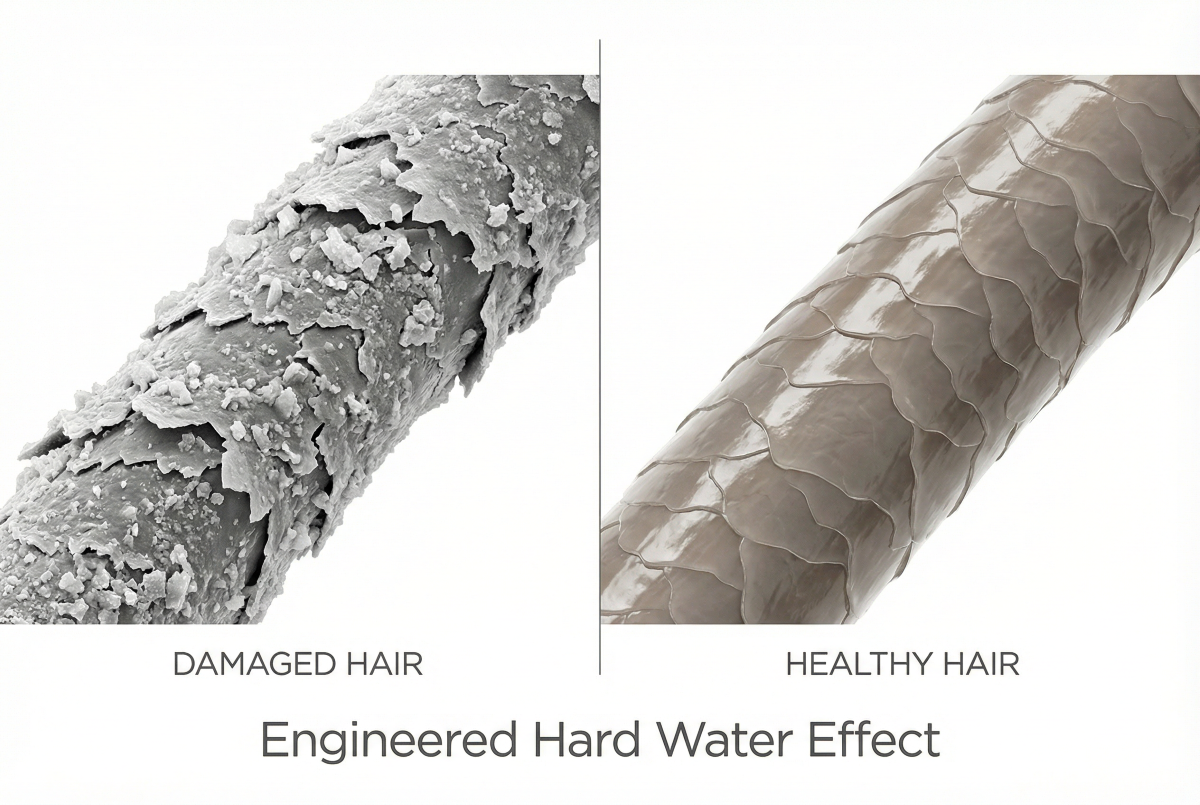
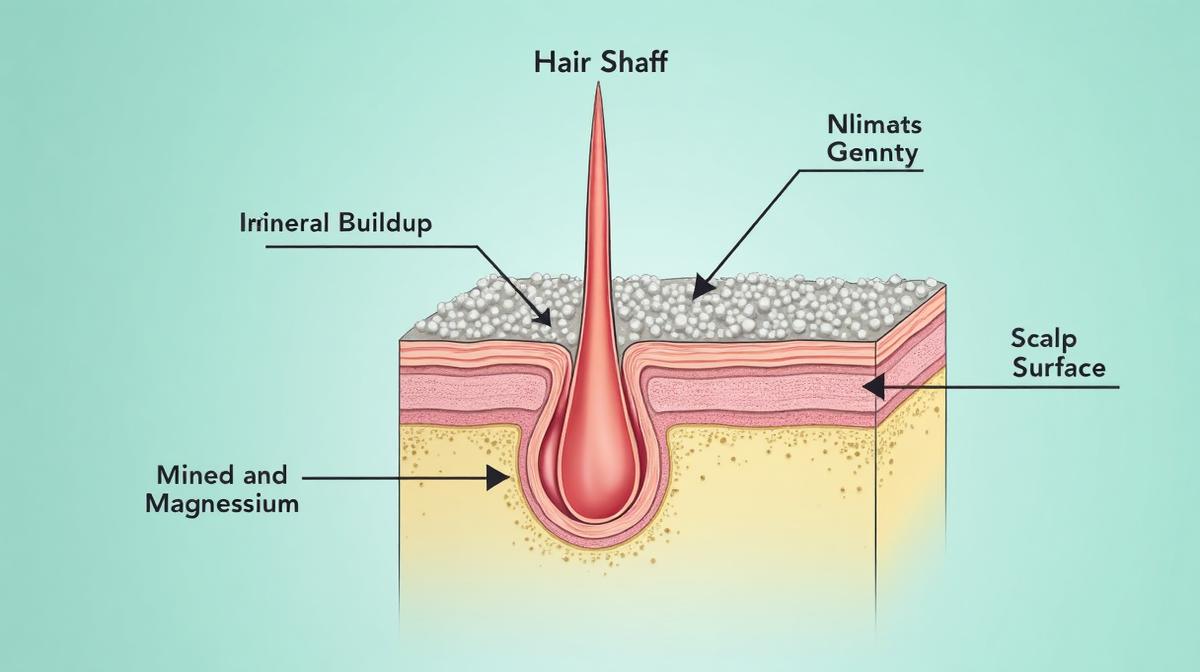
What does this mean for your hair? Every time you shower, these minerals bind to the hair cuticle, the protective outer layer. They don’t rinse away. They accumulate. Over weeks and months, this buildup creates a rough, impermeable coating that prevents moisture from entering the hair shaft. Your hair becomes brittle, breaks easily, and the follicle weakens under constant mineral stress.
The damage compounds. Hard water raises the pH of your scalp from its natural 4.5-5.5 to alkaline levels above 7.0. This pH shift lifts the cuticle scales, making hair porous and vulnerable. It also changes the scalp microbiome, triggering inflammation and follicle miniaturization. A 2019 study in Skin Research and Technology found that hard water exposure significantly increases scalp irritation and hair tangling.
Then there’s chlorine. Municipal water treatment adds chlorine to kill bacteria, but this oxidizing agent strips natural oils from your scalp and hair. Combined with mineral buildup, you get a perfect storm: dry, damaged hair shedding faster than it can regenerate.
The solution isn’t more conditioner. It’s removing the minerals before they touch your hair. A chelating shampoo like Regrowth+ uses ingredients like EDTA and citric acid to bind and remove calcium and magnesium deposits, restoring hair’s natural pH and allowing moisture to penetrate again. For complete protection, you need to address the water quality issue at its source.
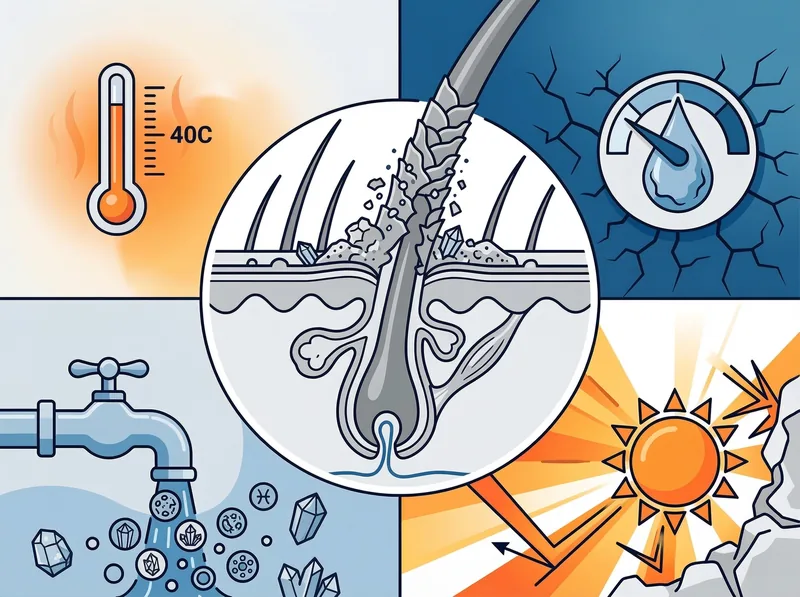 Environmental factors unique to the Gulf region that contribute to accelerated hair fall and scalp damage
Climate, Pollution, and UV Exposure: The Environmental Triple Threat
Hard water isn’t the only environmental factor. The Gulf climate creates a hostile environment for hair health through three mechanisms: extreme heat, low humidity, and intense UV radiation.
Temperature extremes cause chronic dehydration. When ambient temperatures exceed 40°C (104°F) for months, your body prioritizes vital organs over hair follicles. Blood flow to the scalp decreases, nutrient delivery slows, and follicles enter premature resting phase. You don’t feel it happening, but your hair does.
Humidity matters more than most people realize. The Gulf averages 30-40% relative humidity during peak summer months, well below the 50-60% range hair needs to maintain elasticity. Low humidity pulls moisture from the hair shaft, making it brittle and prone to breakage. This is why your hair feels like straw by midday, even after conditioning.
UV radiation in the Gulf region exceeds WHO safety thresholds for 8-10 months annually. Ultraviolet light degrades the protein structure of hair, breaking down keratin bonds and causing the cuticle to crack and peel. Research in the Journal of Cosmetic Science shows that UV exposure reduces hair strength by up to 50% and causes significant color fading and texture damage.
Add air pollution, particulate matter from construction, vehicle emissions, and desert dust, and you get chronic scalp inflammation. These particles settle on the scalp, clog follicles, and trigger oxidative stress that accelerates hair aging. It’s not dramatic. It’s cumulative. And it’s happening every day you’re exposed to these conditions.
Nutritional Deficiencies: What Your Hair Actually Needs
Let’s talk about what works and what doesn’t. The supplement industry wants you to believe biotin cures everything. It doesn’t.
Hair is made of keratin, a protein requiring specific amino acids, vitamins, and minerals to synthesize properly. When you’re deficient in any of these, follicles can’t produce strong hair. The most common deficiencies in the Gulf region: iron, vitamin D, zinc, and protein.
Iron deficiency affects 30-40% of women in the Gulf, according to regional health surveys. Without adequate iron, your body can’t produce enough hemoglobin to carry oxygen to follicles. Starved of oxygen, follicles shift into telogen phase en masse. This is why anemia and hair fall so often occur together. A study in the Journal of Korean Medical Science found that women with iron deficiency had significantly higher rates of telogen effluvium.
Vitamin D deficiency is paradoxical in the Gulf, plenty of sunshine, yet 60-80% of residents are deficient due to indoor lifestyles and melanin-rich skin requiring more sun exposure for vitamin D synthesis. Vitamin D receptors exist in hair follicles, and deficiency changes the hair growth cycle. Supplementation at 2000-4000 IU daily can restore normal cycling.
Zinc supports keratin production and regulates oil glands. Deficiency causes brittle hair and excessive shedding. But here’s the catch: zinc supplements can interfere with copper absorption, creating a new deficiency. You need balance, not megadoses.
Protein matters most. Hair is 95% protein. If you’re not consuming 0.8-1.0 grams of protein per kilogram of body weight daily, your body will sacrifice hair growth to preserve muscle and organ function. Whole food sources beat supplements every time: eggs, fish, legumes, and lean meats provide complete amino acid profiles your body can actually use.
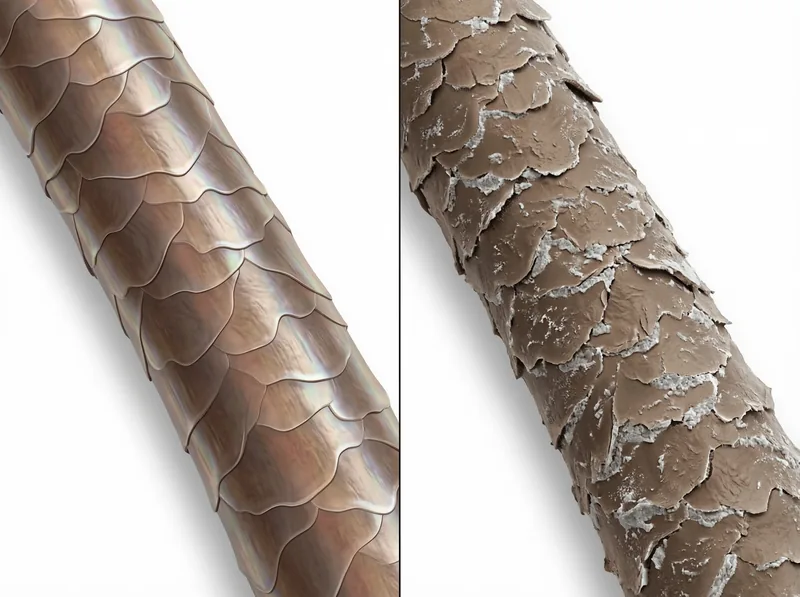 How hard water minerals coat the hair shaft, preventing moisture absorption and weakening the strand structure
Hormonal Factors: When to Suspect an Imbalance
Hormones regulate the hair growth cycle. When they’re out of balance, hair fall accelerates. Three hormonal conditions account for most cases: thyroid dysfunction, polycystic ovary syndrome (PCOS), and postpartum hormonal shifts.
Thyroid hormones control metabolic rate and cellular turnover. Both hypothyroidism (underactive thyroid) and hyperthyroidism (overactive thyroid) cause diffuse hair thinning. The hair becomes dry, coarse, and breaks easily. If you’re experiencing unexplained weight changes, fatigue, or temperature sensitivity alongside hair fall, get your TSH, T3, and T4 levels checked.
PCOS affects 10-15% of women globally and involves improved androgens (male hormones). These androgens bind to follicle receptors, triggering miniaturization, the follicle shrinks, producing thinner, shorter hairs until it stops producing visible hair altogether. PCOS-related hair loss typically presents as thinning at the crown and temples, mimicking male-pattern baldness. Mayo Clinic identifies irregular periods, acne, and excess facial hair as accompanying symptoms.
Postpartum hair fall is temporary but dramatic. During pregnancy, improved estrogen keeps follicles in growth phase longer. After delivery, estrogen crashes, and all those extra hairs enter telogen phase simultaneously. You can lose 30-40% of your hair volume within 3-6 months postpartum. This is physiologically normal and self-resolving, but it’s distressing. Nutritional support and gentle hair care help minimize damage during this transition.
Hormonal birth control can trigger hair fall when you start or stop taking it. The synthetic hormones alter your natural cycle, and some women experience shedding as their body adjusts. If you’ve recently changed contraceptives and noticed increased hair fall, discuss alternatives with your doctor.
Stress and Hair Fall: The Mind-Body Connection
Chronic stress doesn’t just feel bad. It measurably changes the hair growth cycle.
When you experience prolonged stress, work pressure, relationship conflict, financial worry, your body releases cortisol. Improved cortisol shifts follicles from growth phase (anagen) to resting phase (telogen). This is an evolutionary adaptation: in times of crisis, your body conserves energy by shutting down non-essential functions. Hair growth is non-essential.
The shedding doesn’t happen immediately. There’s a 2-3 month lag between the stressful event and visible hair fall. By the time you notice increased shedding, you’ve often forgotten what triggered it. This delay makes stress-related hair fall difficult to diagnose without careful history-taking.
Acute stress can trigger a more severe form called alopecia areata, an autoimmune condition where your immune system attacks hair follicles, creating round bald patches. The American Academy of Dermatology notes that while the exact cause remains unclear, stress appears to be a significant trigger in genetically susceptible individuals.
Managing stress isn’t optional if you want to stop hair fall. Evidence-based interventions include: regular exercise (30 minutes daily reduces cortisol by 20-30%), adequate sleep (7-9 hours nightly), mindfulness meditation (even 10 minutes daily shows measurable effects), and social connection. These aren’t lifestyle tips. They’re medical interventions with documented efficacy.
One often-overlooked factor: sleep quality. During deep sleep, your body produces growth hormone, which stimulates cell regeneration including hair follicle cells. Chronic sleep deprivation suppresses growth hormone, slowing hair growth and weakening existing strands. If you’re sleeping less than 7 hours nightly, that’s a modifiable risk factor.
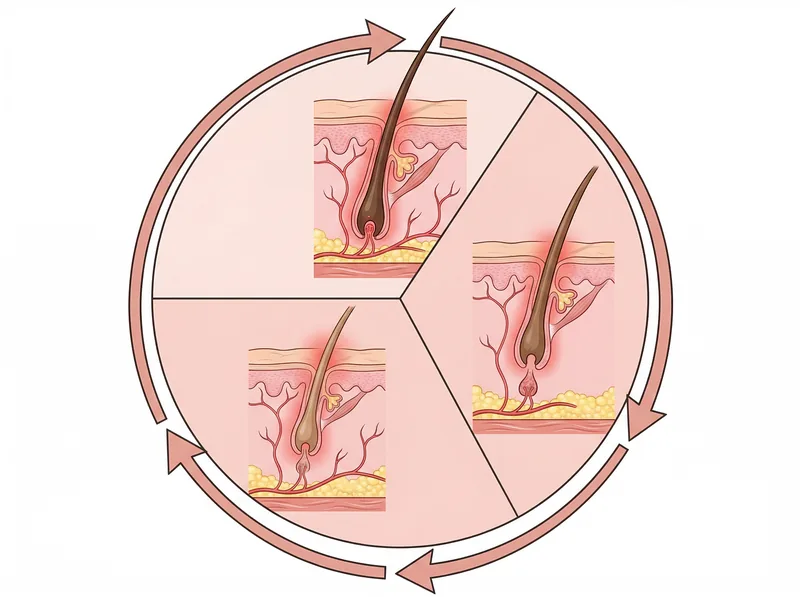 Understanding how chronic stress, environmental and emotional, changes the natural hair growth cycle
Medical Treatments That Actually Work
Let’s cut through the noise. Most hair fall treatments sold online don’t have clinical evidence behind them. But a few do.
Minoxidil (Rogaine) is the only FDA-approved topical treatment for hair loss. It works by prolonging the growth phase of the hair cycle and increasing blood flow to follicles. The 5% solution shows better results than 2%, but it requires daily application and takes 3-6 months to show visible improvement. If you stop using it, any regrown hair will fall out within months. A meta-analysis in the Journal of the American Academy of Dermatology found that 5% minoxidil increased hair count by an average of 18 hairs per square centimeter after 48 weeks.
For women with hormonal hair loss, spironolactone, an anti-androgen medication, can block the effects of testosterone on follicles. It’s prescription-only and requires monitoring for side effects, but clinical trials show significant improvement in hair density after 12 months of use. This is particularly effective for PCOS-related hair loss.
Low-level laser therapy (LLLT) uses red light wavelengths to stimulate cellular metabolism in follicles. FDA-cleared devices like laser caps show modest improvement in hair density, about 20-30% increase after 6 months of consistent use. The mechanism isn’t fully understood, but it appears to reduce inflammation and increase ATP production in follicle cells.
Platelet-rich plasma (PRP) injections involve drawing your blood, concentrating the growth factors, and injecting them into your scalp. The growth factors stimulate dormant follicles and prolong the growth phase. Results vary widely, but multiple studies show 30-40% improvement in hair density after 3-4 treatment sessions spaced 4-6 weeks apart. It’s expensive and not covered by insurance.
What doesn’t work: most oral supplements marketed for hair growth. Biotin, collagen peptides, and proprietary blends rarely address the underlying cause. Unless you have a documented deficiency, adding more vitamins won’t accelerate hair growth. Save your money.
Daily Hair Care: What Helps and What Hurts
Your daily routine matters more than any treatment. Small habits compound over months.
Washing frequency: there’s no universal rule, but most dermatologists recommend 2-3 times per week for normal hair. Overwashing strips natural oils, triggering your scalp to overproduce sebum in compensation. Underwashing allows oil, dead skin cells, and product buildup to clog follicles. Find your balance based on how oily your scalp gets.
Water temperature matters. Hot water opens the cuticle, making hair porous and vulnerable to damage. It also strips protective oils. Lukewarm water cleans effectively without causing damage. Finish with a cool rinse to close the cuticle and add shine.
Drying technique: never rub your hair with a towel. The friction damages the cuticle and causes breakage. Instead, squeeze excess water gently and wrap your hair in a microfiber towel or old t-shirt. Let it air dry when possible. If you must blow-dry, use the lowest heat setting and keep the dryer moving, never focus heat on one section for more than a few seconds.
Heat styling is the fastest way to destroy hair. Flat irons, curling irons, and hot rollers reach temperatures of 200°C (392°F) or higher. At these temperatures, the water inside your hair shaft boils, creating steam bubbles that crack the cuticle from the inside. If you must heat style, use a heat protectant spray and never exceed 180°C (356°F).
Chemical treatments, bleaching, perming, relaxing, break down the protein structure of hair to achieve their effects. This damage is permanent. The hair shaft cannot repair itself. If you’re experiencing hair fall, postpone chemical treatments until your hair health improves. The temporary aesthetic benefit isn’t worth accelerating hair loss.
Tight hairstyles cause traction alopecia, gradual hair loss from constant pulling. Ponytails, braids, buns, and extensions that create tension on the follicle can permanently damage the root. If you notice thinning at your hairline or temples, your hairstyle might be the cause. Switch to loose styles and give your follicles time to recover.
Scalp Health: The Foundation of Hair Growth
Healthy hair grows from a healthy scalp. This is the principle most people ignore.
Your scalp is skin, living tissue with its own microbiome, pH balance, and inflammatory responses. When the scalp environment deteriorates, follicles suffer. Inflammation, fungal overgrowth, and sebum imbalance all change the hair growth cycle.
Dandruff isn’t just cosmetic. It’s a sign of scalp inflammation, often caused by an overgrowth of Malassezia yeast. This fungus feeds on sebum and produces oleic acid, which irritates the scalp and triggers rapid skin cell turnover. The result: flaking, itching, and follicle inflammation that can accelerate hair fall. Research published in Dermatology Research and Practice confirms the link between seborrheic dermatitis and increased hair shedding.
Treating dandruff requires anti-fungal ingredients: ketoconazole, zinc pyrithione, or selenium sulfide. These reduce yeast populations and calm inflammation. Use a medicated shampoo 2-3 times weekly until symptoms resolve, then maintain with weekly use to prevent recurrence.
Scalp massage improves blood flow to follicles. A small study found that daily 4-minute scalp massages increased hair thickness after 24 weeks. The mechanism appears to be mechanical stress on follicle cells, which triggers them to enter growth phase. It’s low-risk and free, worth incorporating into your routine.
Exfoliating the scalp removes dead skin cells and product buildup that can clog follicles. Use a gentle scalp scrub with salicylic acid or fruit enzymes once weekly. Don’t overdo it, excessive exfoliation can irritate the scalp and worsen inflammation.
The scalp’s natural pH is slightly acidic (4.5-5.5). Alkaline products change this balance, weakening the skin barrier and allowing bacteria and fungi to proliferate. Look for pH-balanced shampoos, or rinse with diluted apple cider vinegar (1 tablespoon per cup of water) to restore acidity after washing.
When to See a Dermatologist
Some hair fall requires professional diagnosis. Don’t wait until you’ve lost 50% of your hair volume.
See a dermatologist if you experience: sudden onset of severe shedding (more than 200 hairs daily), bald patches or areas of complete hair loss, scalp pain or burning sensations, hair loss accompanied by skin rashes or lesions, or hair fall that doesn’t improve after 6 months of lifestyle interventions.
A proper diagnosis requires blood work. Your doctor should test: complete blood count (to check for anemia), ferritin (iron stores), vitamin D, thyroid panel (TSH, T3, T4), and hormone levels if PCOS or other endocrine disorders are suspected. These tests identify deficiencies and imbalances that lifestyle changes alone can’t fix.
Scalp biopsy is the gold standard for diagnosing hair loss patterns. A small tissue sample reveals whether follicles are miniaturizing (androgenetic alopecia), inflamed (scarring alopecia), or simply in resting phase (telogen effluvium). This information guides treatment decisions.
Trichoscopy, examination of the scalp with a dermatoscope, allows non-invasive visualization of follicle patterns, hair shaft diameter variation, and scalp inflammation. It’s becoming standard practice in specialized hair loss clinics.
Don’t self-diagnose based on internet research. Hair loss has dozens of potential causes, many requiring different treatments. What works for androgenetic alopecia won’t help telogen effluvium. Professional diagnosis saves time, money, and prevents further damage from inappropriate treatments.
Building Your Hair Fall Treatment Plan
Effective treatment combines multiple interventions. There’s no single magic solution.
Start with the environmental factors. If you’re in the Gulf region, address water quality first. Install a shower filter that removes chlorine and heavy metals, or use a chelating shampoo to remove mineral buildup. This single change can reduce hair fall by 30-40% within weeks. Understanding the science behind hard water damage helps you choose the right intervention.
Improve nutrition. Get blood work to identify deficiencies, then address them with whole foods first, supplements second. Increase protein intake to 1.0-1.2 grams per kilogram body weight. Add iron-rich foods (red meat, spinach, lentils) if ferritin is low. Supplement vitamin D if levels are below 30 ng/mL. These aren’t quick fixes, nutritional interventions take 3-6 months to show results in hair growth.
Reduce physical and chemical damage. Stop heat styling for 3 months. Avoid tight hairstyles. Use a wide-tooth comb on wet hair. Sleep on a silk pillowcase to reduce friction. These small changes prevent breakage and allow existing hair to reach its full length potential.
Manage stress actively. Schedule 30 minutes of exercise daily, prioritize 7-9 hours of sleep, and practice stress-reduction techniques that work for you. If you’re experiencing chronic anxiety or depression, seek professional mental health support. Your hair health reflects your overall health.
Consider medical treatments if lifestyle interventions aren’t enough. Minoxidil is the most accessible option with the strongest evidence base. Give it 6 months before evaluating results. If hormonal factors are involved, work with an endocrinologist to address the underlying imbalance.
Track your progress. Take standardized photos every 4 weeks (same lighting, same hair part, same distance). Count hairs in your brush for one week each month. Measure your ponytail circumference. Subjective assessment is unreliable, you need objective data to know if your interventions are working.
Be patient. Hair grows slowly, about half an inch per month. Follicles that have shifted into resting phase won’t produce visible hair for 3-4 months. Most interventions require 6-12 months to show significant improvement. Consistency matters more than intensity.
References
- Hard Water and Hair: The Adverse Effects of Hard Water on Hair - International Journal of Trichology
- Hair Loss: Causes and Treatments - American Academy of Dermatology
- The Science of Water Hardness - US Geological Survey
- Impact of Hard Water on Hair Damage and Hair Fall - Skin Research and Technology
- Iron Deficiency and Hair Loss in Women - Journal of Korean Medical Science
- Efficacy of 5% Minoxidil in Male and Female Pattern Hair Loss - Journal of the American Academy of Dermatology
- Seborrheic Dermatitis and Hair Loss - Dermatology Research and Practice