You’re standing in the pharmacy aisle, staring at dozens of shampoo bottles. Every one claims to stop hair loss. Some say ‘clinically proven.’ Others promise ‘visible results in weeks.’ A few even have ‘dermatologist tested’ stamped on the label. But here’s what that label doesn’t tell you: tested by a dermatologist and recommended by dermatologists are completely different things.
This article contains affiliate links. See our affiliate disclosure for details.
I’ve spent fifteen years treating hair loss in the Gulf region, and I can’t count how many patients walk into my clinic after spending hundreds on products that don’t work. They’re frustrated. Exhausted. Sometimes embarrassed they fell for marketing claims. The truth? Most hair loss shampoos on store shelves won’t do anything beyond basic cleaning. But some, formulated with specific active ingredients at therapeutic concentrations, can genuinely support hair regrowth when used correctly.
This isn’t about miracle cures. It’s about understanding what dermatologists actually look for in a hair loss shampoo, which ingredients have legitimate research behind them, and how environmental factors in the Gulf region (particularly hard water mineral content) can sabotage even the best treatments. Let’s break down what works, what doesn’t, and what you should actually be looking for.
What Dermatologists Actually Look for in Hair Loss Shampoos
When I recommend a shampoo for hair loss, I’m not looking at packaging or marketing claims. I’m looking at the ingredient list and asking three specific questions: Does this formula contain active ingredients with clinical evidence? Are those ingredients present at therapeutic concentrations? And will this product support or interfere with other hair loss treatments the patient might be using?
The active ingredients that matter fall into several categories. Anti-androgens like ketoconazole (typically at 1-2% concentration) can reduce scalp DHT levels, which is particularly relevant for androgenetic alopecia. Growth stimulants like caffeine have demonstrated ability to prolong the anagen (growth) phase of hair follicles in multiple studies. Anti-inflammatory compounds help create a healthier scalp environment where follicles can function optimally.
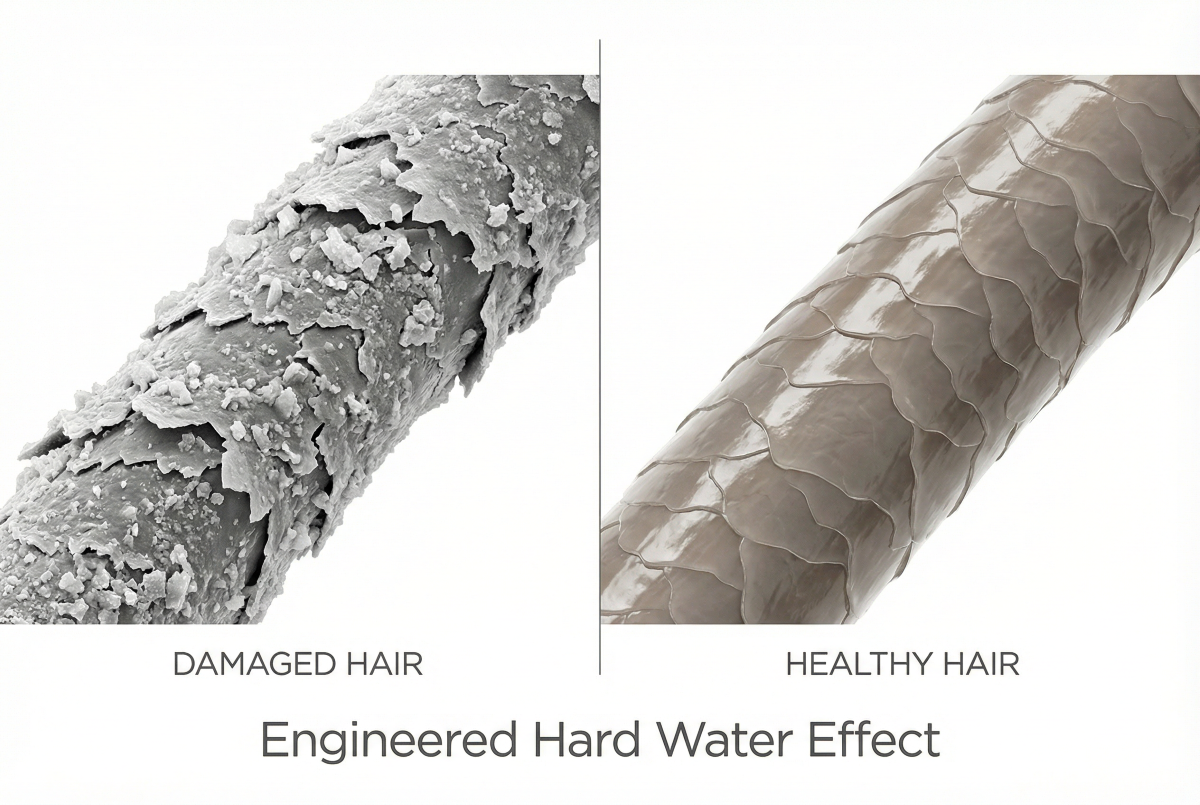
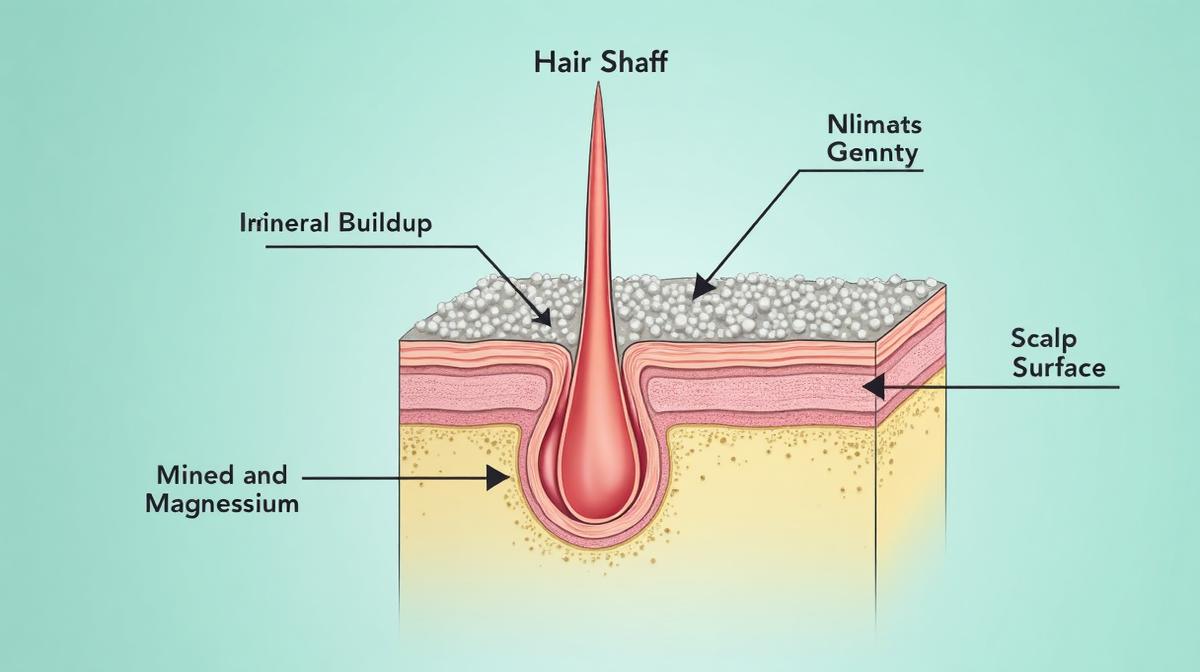
But here’s where it gets complicated for Gulf residents. Even the best-formulated shampoo can fail if your scalp has mineral buildup from hard water. Research published in the International Journal of Trichology shows that calcium and magnesium deposits on the scalp can create a barrier that prevents active ingredients from reaching hair follicles. It’s like trying to water a plant through a layer of wax.
That’s why I often recommend starting with a chelating shampoo like Regrowth+ to remove mineral buildup before introducing medicated treatments. You’re creating a clean foundation for the active ingredients to actually work. Without that step, you’re potentially wasting money on treatments that can’t penetrate the scalp barrier.
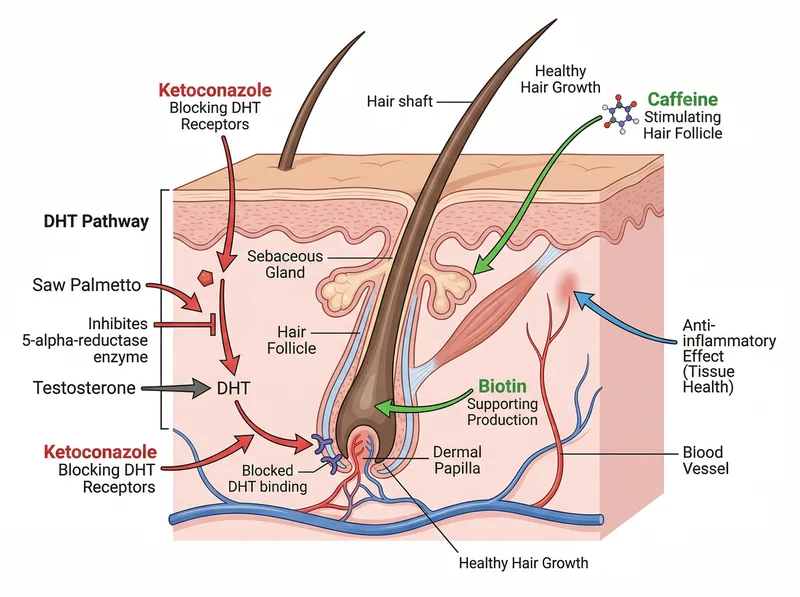 Key active ingredients dermatologists look for in hair loss shampoos and how they work at the follicle level
The Science Behind Key Active Ingredients
Let’s talk about what actually has evidence behind it. Ketoconazole is probably the most well-researched ingredient in hair loss shampoos. Originally developed as an antifungal, researchers discovered it has anti-androgenic properties. A study in the Journal of Dermatology found that 2% ketoconazole shampoo was nearly as effective as 2% minoxidil for treating androgenetic alopecia. That’s significant.
Caffeine is another ingredient with legitimate research. Multiple studies have shown that caffeine can stimulate hair follicles and counteract the suppressive effects of testosterone on hair growth. The key is contact time, the caffeine needs to stay on your scalp for at least two minutes to penetrate effectively. Just running it through your hair and rinsing immediately won’t do much.
Saw palmetto extract appears in many formulations as a natural DHT blocker. The evidence here is more mixed than with ketoconazole, but several clinical trials have shown modest improvements in hair density when used topically. It’s not as powerful as prescription options, but it can be part of a complete approach.
Biotin (vitamin B7) is everywhere in hair products, but the science doesn’t support using it topically. Biotin works when taken orally if you have a deficiency, but there’s no evidence that applying it to your scalp does anything. Yet it’s in nearly every ‘hair growth’ shampoo because consumers expect to see it. That’s marketing, not medicine.
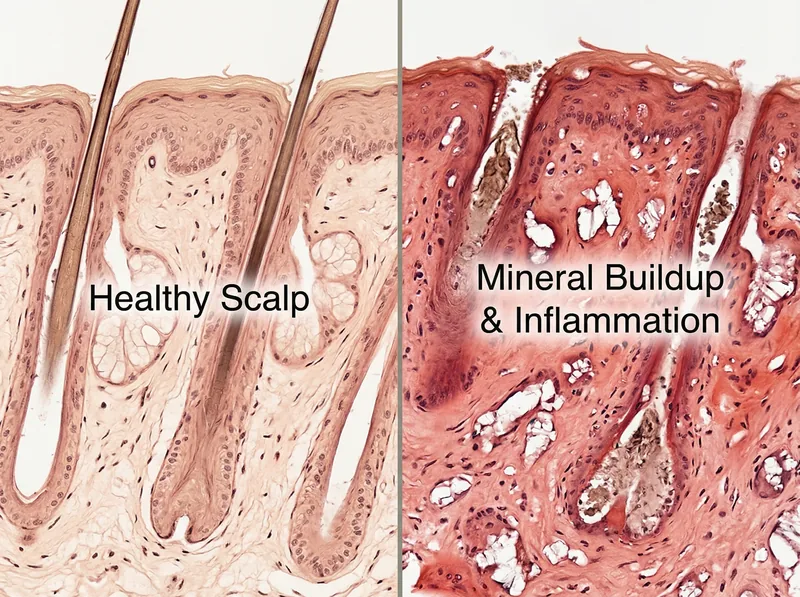 Environmental factors in the Gulf region can compromise scalp health, affecting how well hair loss treatments work
Why Gulf Residents Face Unique Challenges
The water quality in the Gulf region creates a specific problem that most dermatology textbooks don’t address because they’re written for Western markets with softer water. When you shower with water containing 300-400 ppm of dissolved minerals (which is common here), those minerals bind to your hair and scalp. Over time, you develop a coating that changes everything.
This mineral layer does three things that interfere with hair loss treatment. First, it creates a physical barrier that blocks active ingredients from reaching follicles. Second, it changes your scalp’s pH balance, which can trigger inflammation and dandruff. Third, it makes hair brittle and prone to breakage, which compounds the appearance of thinning even if your follicles are still producing hair.
I’ve seen patients who moved to the Gulf region and noticed hair loss within months. They try minoxidil, they try supplements, they try expensive shampoos, nothing works. Then we address the mineral buildup, and suddenly their treatments start showing results. The issue wasn’t that the treatments didn’t work. The issue was that the minerals prevented the treatments from reaching the scalp.
This is why a chelating shampoo isn’t optional for many Gulf residents, it’s foundational. You need to remove that mineral barrier regularly, typically once or twice a week, to maintain a scalp environment where other treatments can actually function. Think of it like priming a wall before painting. You can use the best paint in the world, but if the wall isn’t prepared properly, it won’t adhere.
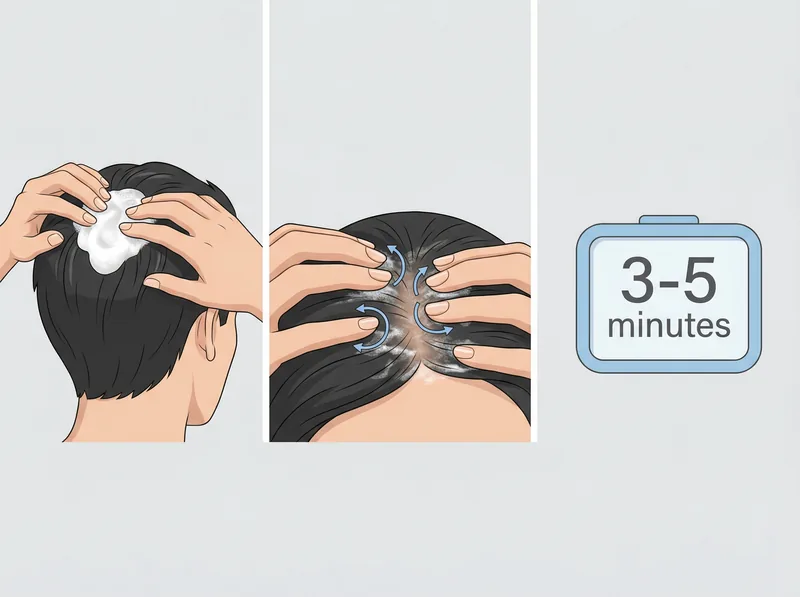 Correct application technique, focusing on scalp contact rather than hair strands, makes a significant difference in treatment effectiveness
How to Actually Use Medicated Shampoos Correctly
Most people use medicated shampoos wrong. They apply it like regular shampoo, lather, rinse, done in 30 seconds. That doesn’t work. Active ingredients need contact time with your scalp to penetrate and exert their effects. Here’s the protocol I give patients.
Wet your hair thoroughly with warm water. Apply the shampoo directly to your scalp, not your hair. Use your fingertips (not nails) to massage it into your scalp using small circular motions. You want to ensure the product makes contact with the skin, not just coat the hair shafts. This takes about a minute.
Here’s the critical part: leave it on. Set a timer for three to five minutes. This is when the active ingredients are actually working. You can use this time to wash your body or just stand there, doesn’t matter. What matters is the contact time. Then rinse thoroughly with lukewarm water.
For best results, use a medicated shampoo two to three times per week, not daily. Your scalp needs time between applications, and overuse can cause irritation. On non-medicated days, use a gentle, sulfate-free cleanser. And if you’re dealing with hard water, use your chelating shampoo once a week to prevent mineral buildup from interfering with your treatment.
What About Natural and Herbal Formulations
Patients often ask about natural or herbal shampoos for hair loss. Rosemary oil, peppermint oil, saw palmetto, ginseng, there’s a long list of botanical ingredients marketed for hair growth. Some have research behind them. Most don’t.
Rosemary oil is probably the best-studied natural ingredient. A 2015 study compared rosemary oil to 2% minoxidil and found comparable results after six months. That’s impressive. But the concentration matters, you need therapeutic levels, not just a token amount for label appeal. I’ve written more about this in the complete guide to rosemary oil for hair growth.
Peppermint oil has shown promise in animal studies for stimulating hair growth, but human data is limited. Saw palmetto, as mentioned earlier, has some clinical evidence when used topically. But many other botanical ingredients are there purely for marketing, they sound good, they smell nice, but there’s no research showing they do anything for hair follicles.
My approach? If you want to try natural formulations, look for products that combine evidence-based botanicals with proven active ingredients. A shampoo with both rosemary oil and ketoconazole, for example, gives you multiple mechanisms of action. But don’t rely solely on herbs if you have significant hair loss. Combine them with treatments that have strong clinical evidence.
Recognizing When You Need More Than Shampoo
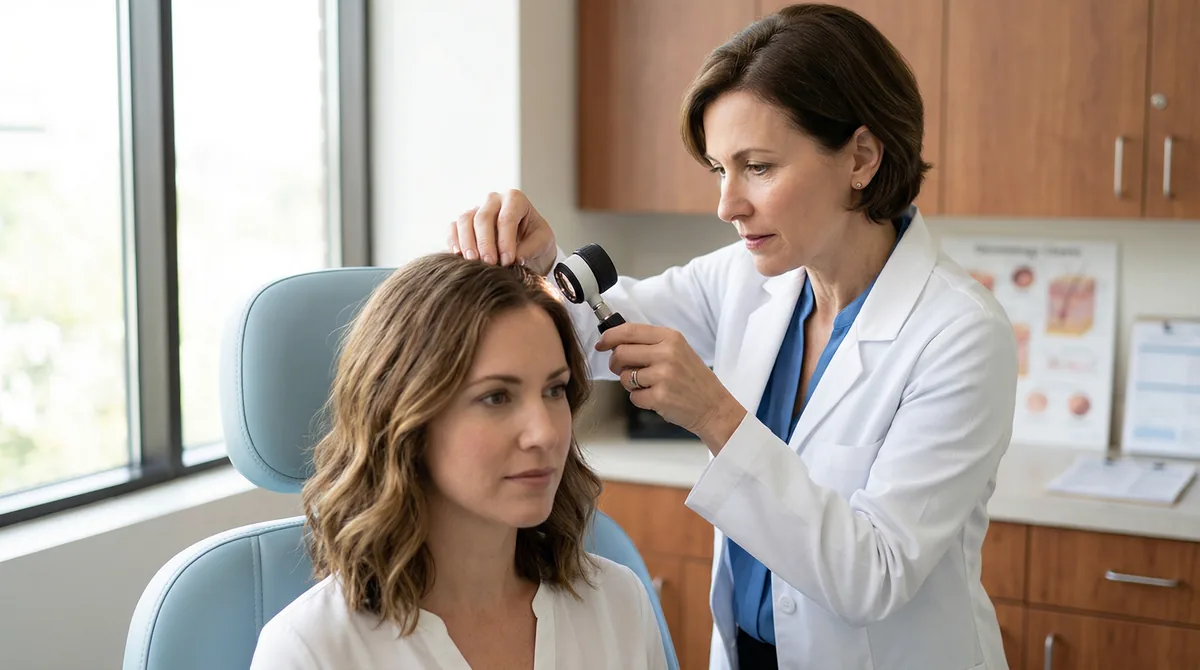
Let’s be honest about limitations. Shampoo alone rarely solves significant hair loss. It’s a supportive treatment, not a primary intervention. If you’re experiencing rapid hair loss, large bald patches, or complete loss of hair in certain areas, you need a complete evaluation, not just a better shampoo.
Hair loss has dozens of potential causes, hormonal imbalances, nutritional deficiencies, autoimmune conditions, medication side effects, stress, genetic factors. A shampoo might help with scalp health and provide some growth stimulation, but it won’t address underlying systemic issues. That requires proper diagnosis and targeted treatment.
For androgenetic alopecia (pattern baldness), the most effective treatments are oral finasteride for men, topical minoxidil for both sexes, and low-level laser therapy. Medicated shampoos can enhance these treatments by creating a healthier scalp environment and providing additional DHT reduction, but they’re adjunctive, not primary.
For women with hair loss, the diagnostic process is often more complex because there are more potential causes, thyroid disorders, PCOS, iron deficiency, and others. A good shampoo can support treatment, but it can’t replace proper medical evaluation. If you’ve been using a quality medicated shampoo for three months without any improvement, it’s time to see a dermatologist for a complete workup.
References
- Effects of Hard Water on Hair - International Journal of Trichology
- Ketoconazole Shampoo: Effect of Long-Term Use in Androgenic Alopecia - Journal of Dermatology
- Saw Palmetto for Hair Loss: A Systematic Review - PubMed Central
- Rosemary Oil vs Minoxidil 2% for Androgenetic Alopecia - PubMed
- Caffeine and Its Pharmacological Benefits in the Management of Androgenetic Alopecia - PubMed