Your hair feels like straw. The shine disappeared months ago. You’ve tried every conditioner, every mask, every oil treatment the internet recommended. Nothing works. Here’s what nobody tells you: the problem isn’t your hair care routine. It’s what’s coating every strand before your products even touch it.
This article contains affiliate links. See our affiliate disclosure for details.
Hard water damage is reversible, but not through conventional conditioning. The calcium and magnesium deposits binding to your hair shaft require a specific chemical process called chelation. Most people waste months on the wrong treatments because they don’t understand what they’re actually fighting. The good news? Once you know what hard water damage actually is, the solution is straightforward.
The question isn’t whether you can reverse it. You can. The real question is whether you’re using the right approach. Let’s look at what hard water actually does to hair at the molecular level, what’s genuinely reversible, and the protocol that works.
What Hard Water Actually Does to Your Hair
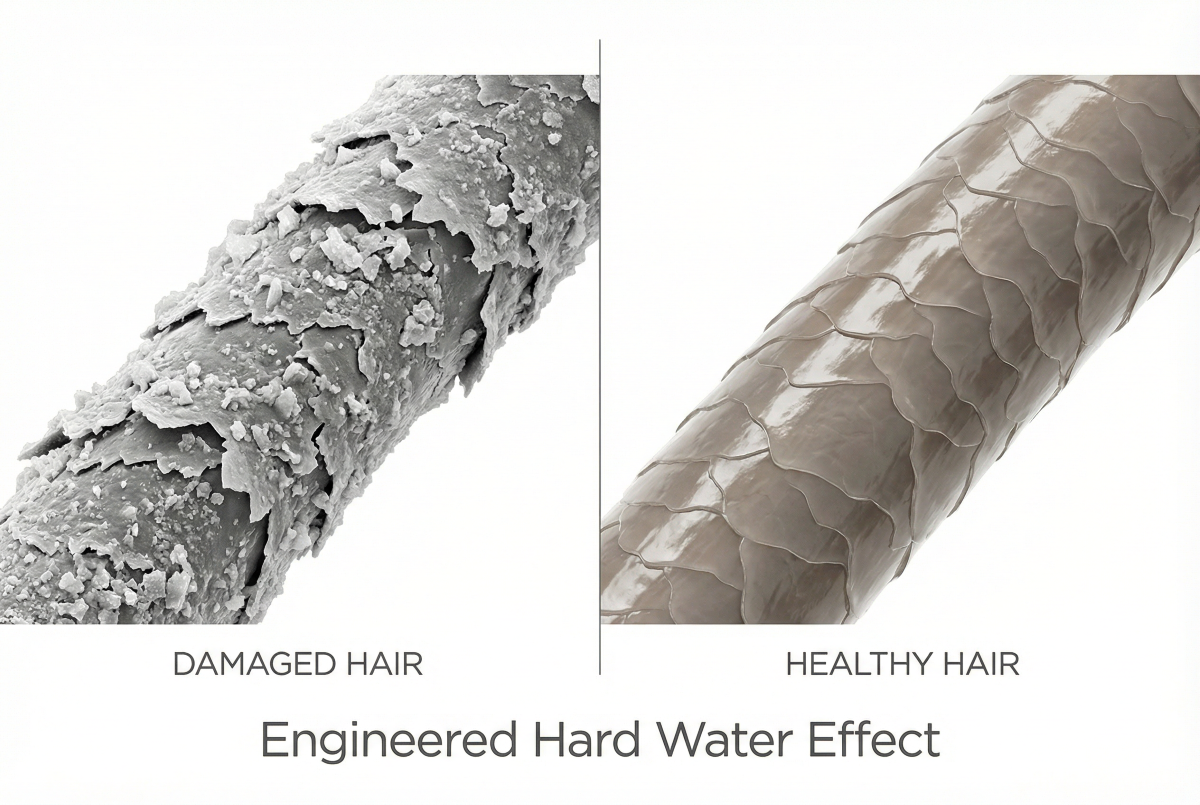
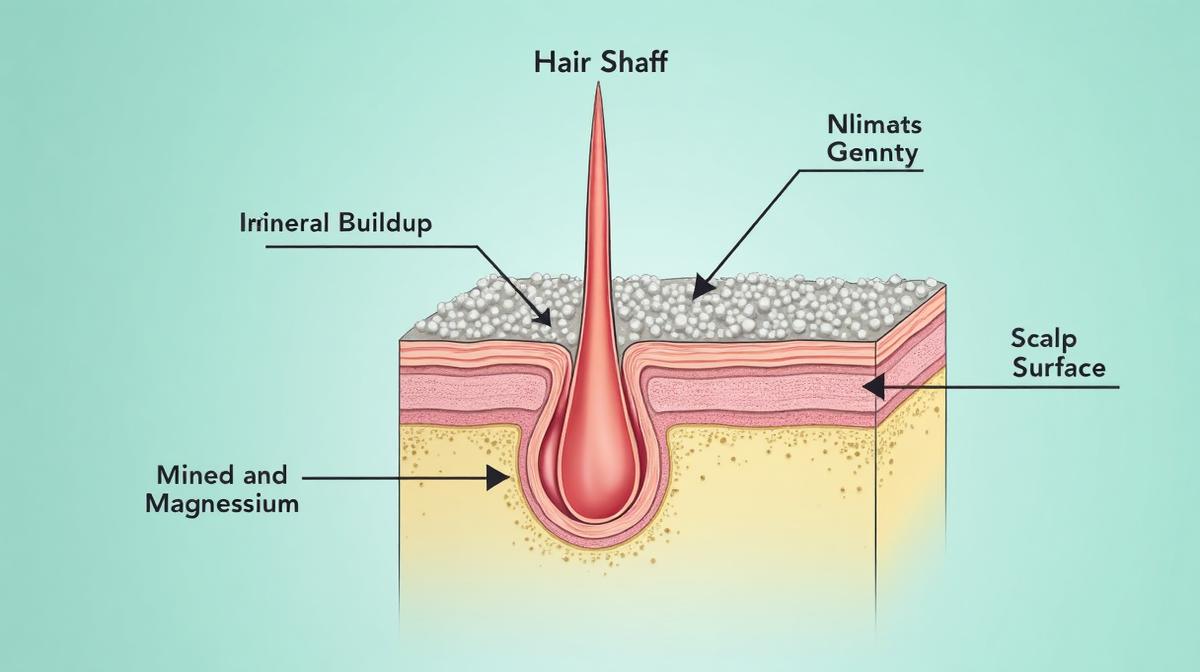
Hard water doesn’t just dry out your hair. It fundamentally changes the structure of each strand through mineral deposition. When water contains high concentrations of calcium and magnesium (typically above 120 mg/L), these minerals bond with the keratin proteins in your hair shaft.
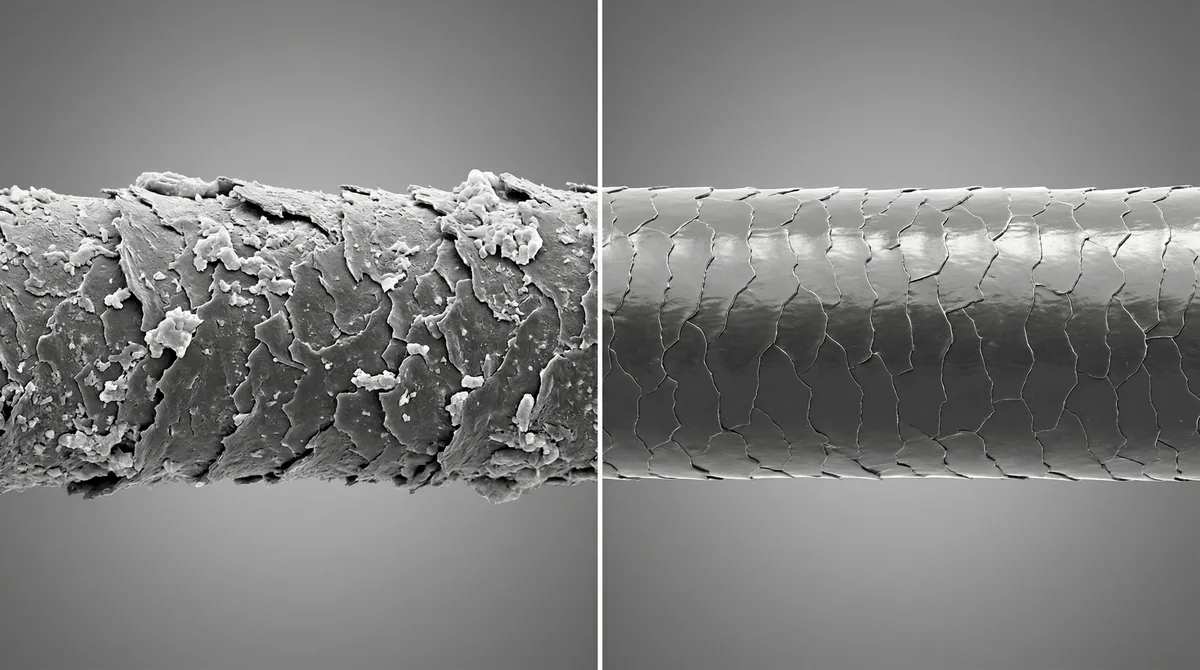
The process is cumulative. Every shower adds another microscopic layer. Within weeks, you have a coating that prevents moisture from entering the hair shaft and blocks your hair care products from working. Research published in the International Journal of Trichology found that hard water exposure significantly increases hair surface roughness and reduces tensile strength.
But here’s what matters: this is surface damage, not structural destruction. The minerals sit on top of your cuticle layer. Your hair shaft underneath remains intact. That’s why chelation works. You’re removing a coating, not trying to rebuild damaged keratin.
The Science of Reversibility
Not all damage reverses equally. Understanding what’s fixable versus what’s permanent determines your realistic expectations and treatment approach.
Reversible damage includes mineral buildup on the cuticle layer, reduced shine and softness from coating, decreased product absorption, and mild to moderate breakage from brittleness. These respond to chelating treatments within 4-12 weeks depending on severity.
Permanent damage includes severely compromised cuticle structure from aggressive brushing of mineral-coated hair, chemical damage from treatments applied over mineral buildup, and mechanical breakage from heat styling brittle, mineral-laden strands. Once the cuticle is physically destroyed, you can’t rebuild it. You can only grow new hair and prevent further damage.
The critical distinction: if your hair feels rough but the strands are intact, you’re dealing with reversible buildup. If you have significant breakage with visible split ends and thinning, you’re managing both reversible buildup and permanent structural damage. The chelation protocol addresses the first. Time and new growth address the second.
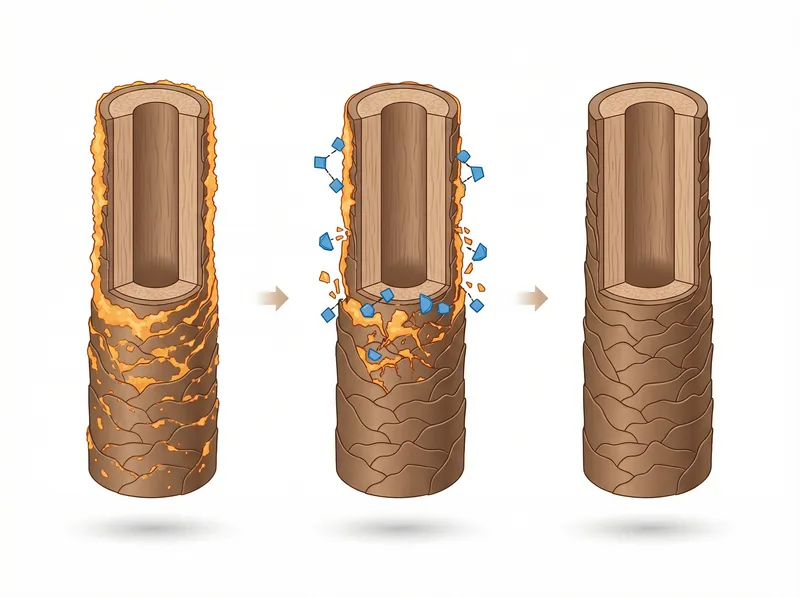 The chelation process breaks down mineral deposits through chemical bonding, allowing them to be rinsed away without damaging the hair structure.
The Chelation Protocol That Actually Works
Chelation isn’t a marketing term. It’s a specific chemical process where chelating agents bind to metal ions and allow them to be rinsed away. For hard water damage, you need a chelating shampoo with EDTA (ethylenediaminetetraacetic acid) or citric acid as active ingredients.
The protocol is simple but requires consistency. Use a chelating shampoo like Regrowth+ twice weekly for the first month, then once weekly for maintenance. Apply to wet hair, work into a lather, and leave on for 3-5 minutes before rinsing. This contact time allows the chelating agents to bind with the mineral deposits.
Follow immediately with a moisturizing conditioner. This step is non-negotiable. Chelation removes minerals but also temporarily raises the cuticle. Conditioning seals it back down and prevents moisture loss. Skip this, and you’ll think chelation made your hair worse.
Between chelating treatments, use sulfate-free shampoo and focus on moisture retention. Your hair is relearning how to hold water after months of mineral interference. Deep conditioning masks once weekly accelerate recovery. Studies show that proper conditioning after chelation significantly improves hair strength and elasticity.
Timeline and Realistic Expectations
Week 1-2: You might not notice much. Some people report hair feeling squeaky or stripped after the first chelating treatment. This is normal. The coating is being removed, and your hair hasn’t adjusted yet. Stick with the protocol.
Week 3-4: This is when most people see the first real improvement. Hair starts feeling softer. Shine begins returning. Products work better. You need less conditioner to achieve the same smoothness. These are signs the mineral layer is breaking down.
Week 6-8: Significant improvement becomes obvious. Hair feels lighter, moves more naturally, holds styles better. Breakage decreases noticeably. New growth coming in shows the difference most clearly, it’s softer and shinier than the older, previously damaged lengths.
Week 10-12: Full recovery for most people with mild to moderate buildup. Hair regains its natural texture, shine, and manageability. At this point, you transition to maintenance mode with weekly chelating treatments to prevent re-accumulation.
If you don’t see improvement by week 6, you’re either dealing with additional damage beyond mineral buildup, using an ineffective chelating product, or facing ongoing hard water exposure that’s re-depositing minerals as fast as you remove them. The last scenario is common for Gulf residents without proper water treatment systems.
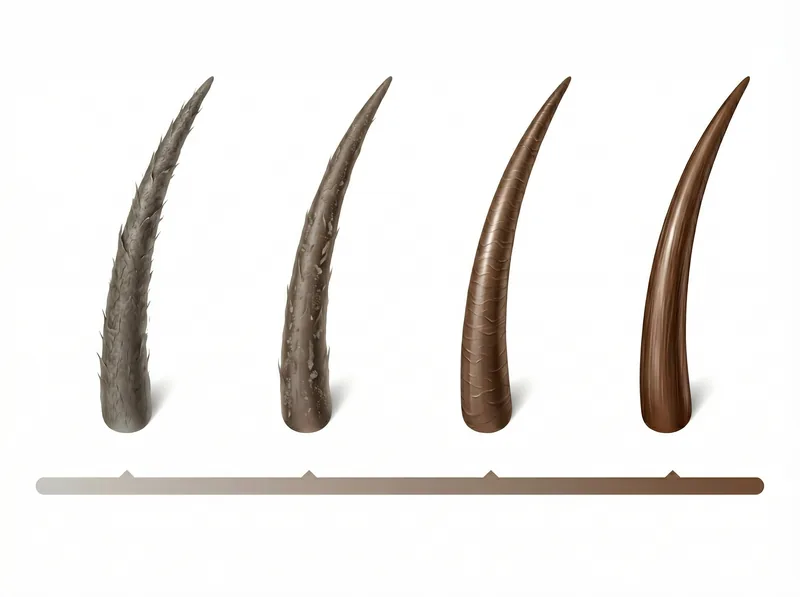 Most people see noticeable improvement within 4-6 weeks of consistent chelating treatment, with full recovery taking 8-12 weeks depending on damage severity.
Preventing Re-Damage During Recovery
Reversing damage means nothing if you’re simultaneously causing new damage. The Gulf region’s water quality makes this particularly challenging. You’re removing buildup while bathing in the same mineral-rich water that caused it.
The most effective solution is shower filtration, but not the standard carbon filters marketed for hard water. You need a filter specifically designed for mineral removal or a whole-house water softening system. Carbon filters remove chlorine and improve smell but don’t address calcium and magnesium.
If installation isn’t possible, the chelating protocol becomes your primary defense. Twice-weekly treatments prevent significant re-accumulation. Some people also use distilled water for final rinses after conditioning. It’s inconvenient but effective for preventing immediate re-deposition on clean hair.
Minimize heat styling during recovery. Mineral-damaged hair is more vulnerable to heat. If you must use hot tools, apply a heat protectant and use the lowest effective temperature. Your hair is in a weakened state even as it improves.
When Hair Loss Enters the Picture
Hard water doesn’t directly cause hair loss in the way androgenetic alopecia does, but it creates conditions that trigger excessive shedding. The mechanism is different. The outcome feels the same.
Mineral buildup makes hair brittle. Brittle hair breaks. When breakage happens close to the scalp, it looks like hair loss. You see more hair in the drain, on your brush, on your pillow. But you’re not losing hair from the follicle, you’re losing length from mid-shaft breakage.
The distinction matters for treatment. True follicular hair loss requires medical intervention. Breakage from mineral damage responds to the chelation protocol. Many people who move to the Gulf experience what they think is sudden hair loss. Most cases are actually breakage from rapid mineral accumulation.
If you’re seeing actual thinning at the scalp, widening part lines, or noticeable reduction in density, consult a dermatologist. You might have concurrent androgenetic alopecia or telogen effluvium triggered by environmental stress. These conditions require different treatment approaches, though addressing hard water damage should still be part of your protocol.
The Maintenance Phase
Once you’ve reversed the damage, the goal shifts to prevention. Maintenance is simpler than recovery but requires consistency. One chelating treatment weekly prevents significant re-accumulation in most cases.
Monitor your hair’s response. If you notice roughness returning or products stopping working as well, increase chelating frequency temporarily. If your hair feels overly dry or stripped, reduce to every 10 days. Individual water mineral content varies, and your maintenance schedule should match your exposure.
Keep using moisturizing products between chelating treatments. Your hair’s ability to retain moisture improves dramatically once the mineral coating is gone, but Gulf humidity (or lack thereof, depending on season) still creates challenges. Deep conditioning remains important.
Consider your maintenance routine a permanent adjustment, not a temporary fix. As long as you’re exposed to hard water, you need ongoing chelation. This isn’t a problem you solve once and forget. It’s an environmental factor you manage continuously, like using sunscreen in a sunny climate.
References
- Effect of Mineral Oil, Sunflower Oil, and Coconut Oil on Prevention of Hair Damage - PubMed Central
- A Clinical Study to Evaluate the Efficacy of a New Hair Care Regimen in Subjects with Self-Perceived Hair Damage - PubMed
- Hair Cosmetics: An Overview - PubMed Central
- Water Hardness and Hair: A Review - American Academy of Dermatology