Your hair’s falling out in the shower. White spots dot your fingernails. That paper cut from last week still hasn’t healed. These aren’t random symptoms, they’re your body’s way of screaming that it’s running on empty zinc reserves.
Zinc deficiency is one of the most overlooked causes of hair loss, especially in regions where dietary patterns lean heavily on grains and legumes (which block zinc absorption). Unlike the vague promises of generic supplements, zinc has decades of research linking it directly to hair follicle function. When zinc drops below optimal levels, hair follicles enter a resting phase called telogen effluvium, and hair sheds faster than it regrows.
Here’s what makes zinc different from the supplement noise: it’s a cofactor in over 300 enzymatic reactions, including the ones that build keratin (the protein that forms your hair shaft). Without adequate zinc, your body can’t manufacture the structural components of hair. The result? Thin, brittle strands that break easily and a scalp that struggles to push out new growth.
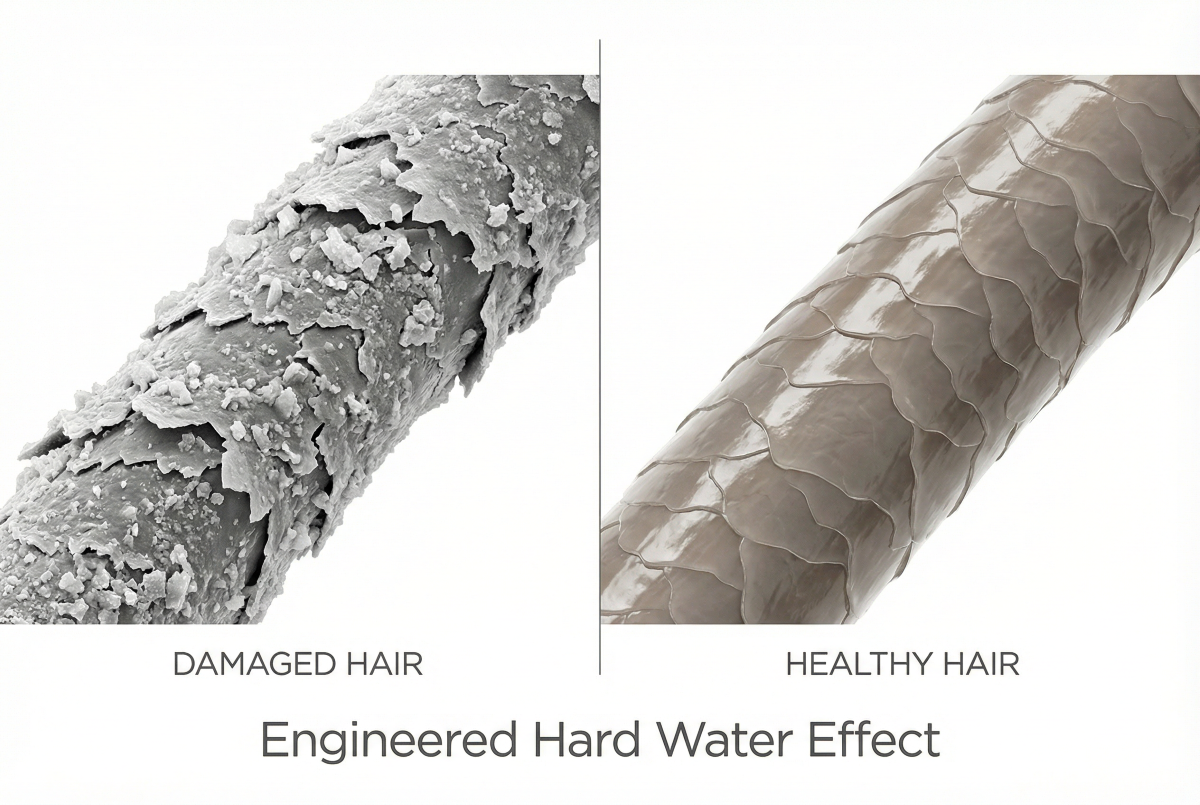
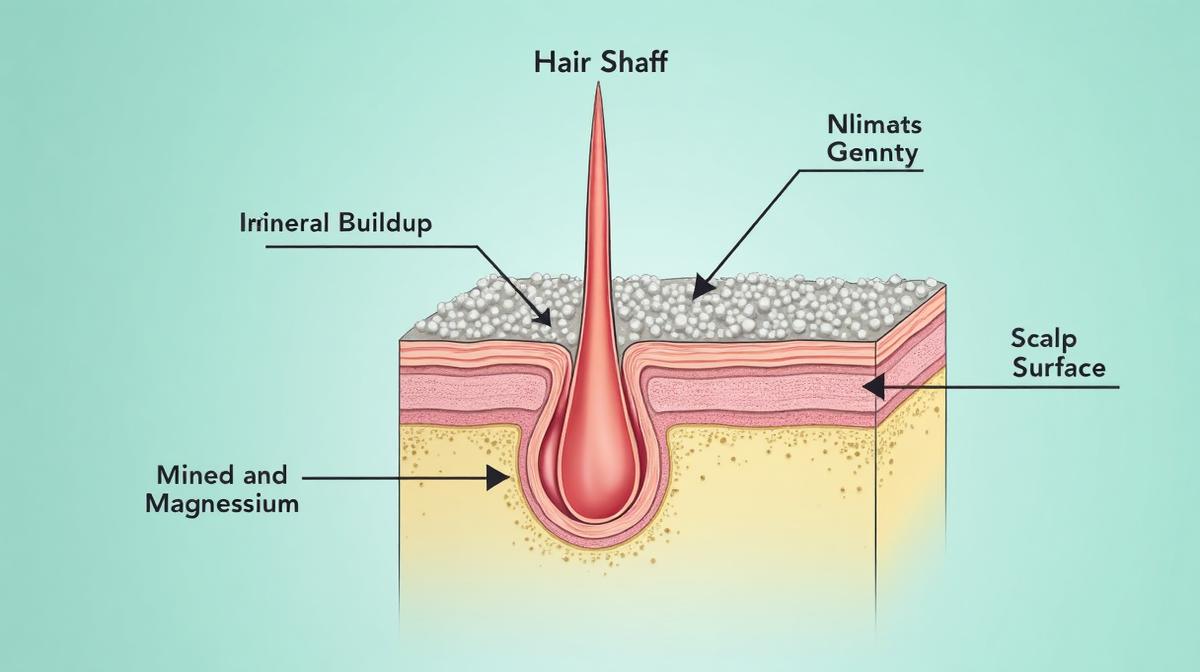
But here’s the catch, zinc deficiency rarely acts alone. In the Gulf region, environmental factors like hard water mineral buildup create a second layer of damage that internal nutrition can’t fix. You need both: the right micronutrients internally and a clean scalp environment externally. This guide covers the zinc side of that equation, the deficiency symptoms most doctors miss, the food sources that actually deliver bioavailable zinc, and the supplementation protocols backed by clinical evidence.
How Zinc Deficiency Triggers Hair Loss
Zinc controls the hair growth cycle at the follicle level. Hair follicles are among the most metabolically active tissues in your body, constantly cycling through growth (anagen), transition (catagen), and resting (telogen) phases. Zinc regulates the transition between these phases by modulating cell proliferation signals and protein synthesis pathways.
When zinc levels drop, follicles get stuck in telogen. Instead of 10-15% of your hair resting at any given time (normal), 30-40% can enter the resting phase simultaneously. Two to three months later, all that resting hair sheds at once. This is telogen effluvium, diffuse hair loss across the entire scalp, not the pattern baldness associated with DHT.
The mechanism is well-documented. A 2009 study in Dermatology Research and Practice found that zinc deficiency impairs DNA and RNA polymerase activity in hair follicle cells, slowing down the protein synthesis required for hair shaft formation. Another 2013 study in Annals of Dermatology measured serum zinc levels in 312 patients with hair loss and found significantly lower zinc concentrations compared to controls.
But zinc doesn’t just affect growth cycles. It also regulates sebum production and maintains the structural integrity of hair follicles. Zinc deficiency leads to follicular miniaturization (shrinking follicles that produce thinner, weaker hair) and increased scalp inflammation. The combination creates a perfect storm: hair falls out faster, grows back slower, and comes back weaker than before.
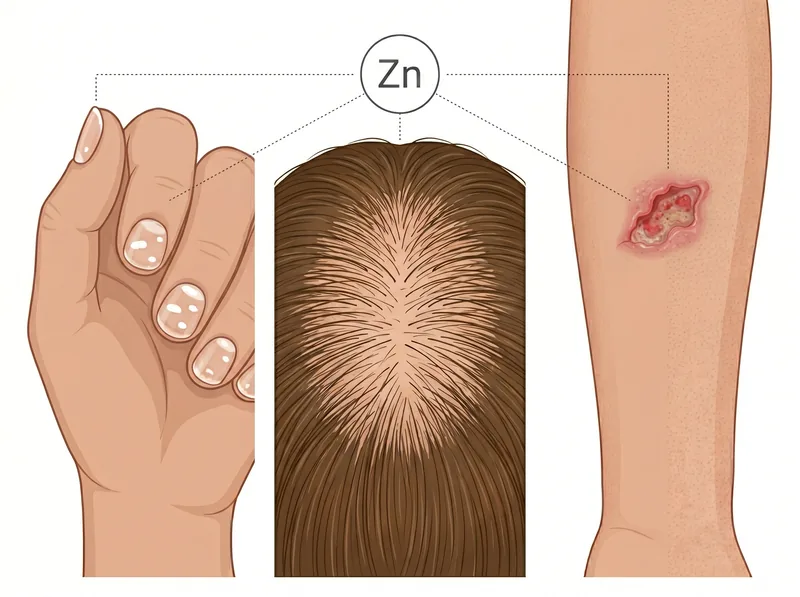 Common zinc deficiency symptoms: white nail spots (leukonychia), diffuse hair thinning, and impaired wound healing
Recognizing Zinc Deficiency Symptoms
Hair loss is rarely the first symptom. Your body sends earlier warning signals that most people ignore or attribute to stress, aging, or bad luck. White spots on your fingernails (leukonychia) are a classic early sign, those aren’t calcium deposits, they’re zinc deficiency markers showing up in keratin production.
Slow wound healing is another red flag. If cuts, scrapes, or acne take weeks to heal instead of days, zinc deficiency is a likely culprit. Zinc is essential for collagen synthesis and immune cell function at wound sites. Without it, your skin can’t repair itself efficiently.
Other symptoms cluster around immune and metabolic dysfunction: frequent infections (especially respiratory), loss of taste or smell, chronic diarrhea, and unexplained weight loss. In men, low testosterone and reduced libido often accompany zinc deficiency because zinc regulates hormone synthesis in the testes.
The tricky part? These symptoms develop gradually. You don’t wake up one day with severe zinc deficiency, it creeps in over months or years as dietary intake fails to match metabolic demand. By the time hair loss becomes noticeable, you’ve likely been deficient for 6-12 months. That’s why bloodwork matters. Serum zinc levels below 70 mcg/dL indicate deficiency, though optimal levels for hair health sit closer to 90-110 mcg/dL.
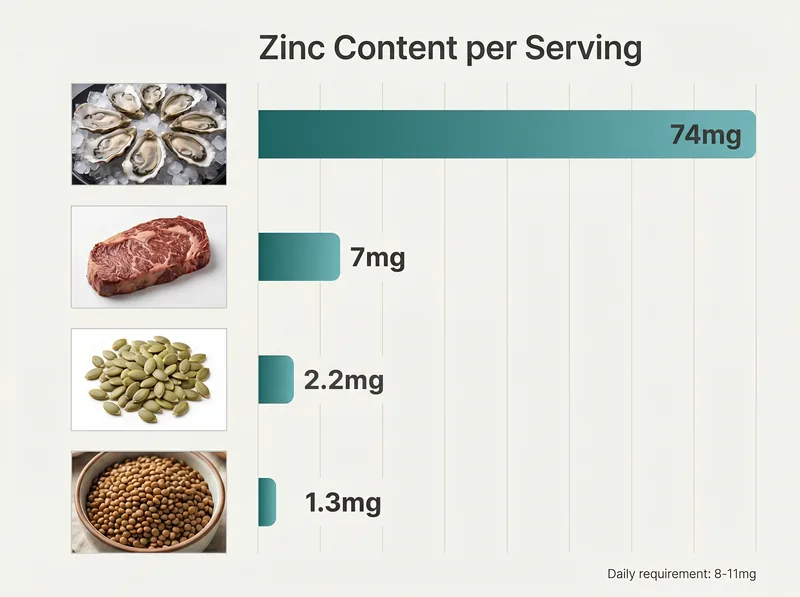 Zinc content per serving: oysters (74mg), beef (7mg), pumpkin seeds (2.2mg), lentils (1.3mg) - daily requirement is 8-11mg
Dietary Sources and Absorption Factors
Oysters dominate the zinc food chain with 74mg per 3-ounce serving, nearly 7 times the daily requirement. But unless you’re eating oysters weekly, you need multiple zinc sources. Red meat provides 7mg per serving, pumpkin seeds offer 2.2mg per ounce, and cooked lentils deliver 1.3mg per half-cup.
The problem isn’t just quantity, it’s bioavailability. Zinc from animal sources (meat, seafood, eggs) has 30-40% absorption rates. Plant-based zinc (legumes, nuts, seeds) comes bound to phytic acid, which blocks absorption. Your body might only absorb 10-15% of the zinc from a serving of chickpeas compared to 35% from beef.
This matters in the Gulf region, where dietary patterns often emphasize grains, legumes, and rice. These foods contain phytates that chelate zinc in the digestive tract, forming insoluble complexes that pass through without absorption. A WHO report on trace elements notes that populations with high phytate intake require 50% more dietary zinc to maintain adequate status.
Calcium and iron supplements also interfere with zinc absorption when taken simultaneously. If you’re supplementing calcium for bone health or iron for anemia, space them at least 2 hours apart from zinc-rich meals. Coffee and tea (high in tannins) reduce zinc absorption by up to 50% when consumed with meals. The solution? Eat zinc-rich foods with vitamin C sources (citrus, bell peppers) and avoid high-phytate foods in the same meal. Soaking and sprouting legumes reduces phytate content by 30-50%.
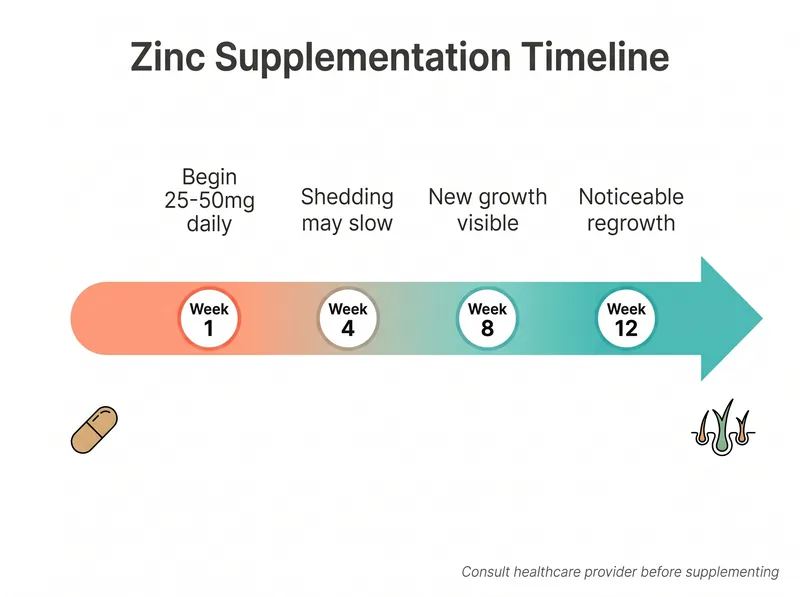 Zinc supplementation timeline: 25-50mg daily for 8-12 weeks, with noticeable hair regrowth typically beginning at week 6-8
Supplementation Protocols That Work
Zinc supplementation reverses telogen effluvium in deficient individuals, but timing and dosage matter. The therapeutic dose for hair loss is 25-50mg of elemental zinc daily, taken for 8-12 weeks. Most studies showing hair regrowth benefits use zinc sulfate or zinc gluconate forms, which have good absorption profiles.
A 2009 randomized controlled trial gave 50mg zinc daily to patients with telogen effluvium and measured hair density after 12 weeks. The zinc group showed significant regrowth compared to placebo, with the most dramatic improvements in patients who started with serum zinc below 80 mcg/dL.
Take zinc with food to minimize nausea (a common side effect on an empty stomach), but avoid high-calcium or high-iron meals. Morning or midday dosing works best, zinc can interfere with sleep if taken at night. Expect a timeline: weeks 1-4 focus on restoring tissue levels, weeks 4-8 show slowing of hair shedding, and weeks 8-12 reveal visible new growth.
Don’t exceed 50mg daily without medical supervision. Chronic zinc intake above 100mg can cause copper deficiency (zinc and copper compete for absorption), leading to anemia and neurological problems. If you’re supplementing long-term, add 1-2mg of copper to maintain balance. Better yet, get bloodwork at 3 months to confirm zinc levels have normalized, then transition to maintenance dosing (15-25mg) or food sources.
One critical note: zinc supplementation addresses internal nutritional deficiency, but it won’t remove mineral buildup on your scalp from hard water. In Gulf environments, you need a dual approach, internal zinc correction plus topical chelation to remove calcium and magnesium deposits that physically block follicles. A chelating shampoo like Regrowth+ removes those external mineral barriers while your zinc supplementation rebuilds hair structure from the inside.
Testing and Monitoring Zinc Status
Serum zinc is the standard test, but it’s an imperfect marker. Zinc concentrations in blood fluctuate with recent dietary intake, inflammation, and time of day. A single low reading might reflect a bad meal choice, not chronic deficiency. That’s why doctors often pair serum zinc with clinical symptoms and dietary assessment.
Optimal serum zinc for hair health sits between 90-110 mcg/dL. Below 70 mcg/dL indicates deficiency. Between 70-90 mcg/dL suggests subclinical deficiency, not severe enough to cause obvious symptoms, but low enough to impair hair growth. If your test comes back in this range and you have unexplained hair loss, a trial of zinc supplementation makes sense.
Hair tissue mineral analysis (HTMA) is sometimes marketed as an alternative, but it’s unreliable for zinc status. Hair zinc levels reflect long-term exposure and can be contaminated by external sources (shampoos, water minerals). Stick with blood testing. If you’re supplementing, retest at 8-12 weeks to confirm levels have risen into the optimal range.
Watch for signs of excess. Zinc toxicity causes nausea, vomiting, loss of appetite, and abdominal cramps. Chronic excess (months to years) depletes copper, leading to anemia, weakened immunity, and nerve damage. The upper tolerable limit is 40mg daily from all sources (food plus supplements). If you’re eating zinc-rich foods and supplementing, you can easily exceed this. Calculate your total intake before adding a supplement.
When Zinc Alone Isn’t Enough
Zinc deficiency is one piece of the hair loss puzzle. If you correct zinc levels but still see shedding, look at the broader context. Low ferritin (iron storage) is another common culprit, especially in women. Thyroid dysfunction, vitamin D deficiency, and chronic stress all change hair growth through different mechanisms.
In the Gulf region, environmental factors often dominate. Hard water deposits calcium and magnesium salts on the scalp, creating a physical barrier that blocks follicles even when internal nutrition is perfect. This is why some people supplement zinc, eat oysters weekly, and still lose hair, the problem isn’t inside, it’s on the surface.
The solution requires parallel strategies. Address internal deficiencies with targeted supplementation and dietary changes. Address external damage with chelating treatments that remove mineral buildup. Neither approach works optimally alone. You can’t out-supplement a contaminated scalp, and you can’t chelate your way out of a zinc deficiency.
If you’ve been supplementing zinc for 12 weeks with no improvement, get complete bloodwork: ferritin, thyroid panel (TSH, free T3, free T4), vitamin D, and a complete metabolic panel. Hair loss is often multifactorial. Zinc might be one variable, but if three other variables are off, fixing zinc alone won’t solve the problem. Work with a healthcare provider who understands the interplay between nutrition, hormones, and environmental factors.
References
- The Role of Nutrition in Hair Loss - Dermatology Research and Practice
- Serum Zinc Levels in Patients with Hair Loss - Annals of Dermatology
- Trace Elements in Human Nutrition and Health - World Health Organization
- Zinc Supplementation in Telogen Effluvium - PubMed